
A historic townhouse is more than a home. It is a piece of New York architecture, often the product of a century or more of care, and the buyers who pursue these houses notice everything: the stoop, the parlor floor, the plasterwork, the garden and the paperwork behind it all. 555 Properties LLC represents owners selling brownstones, limestones and townhouses in Brooklyn and Manhattan, with pricing built on real comparable sales and presentation that lets the architecture speak.
Know Your Architecture
Buyers and their inspectors respond to the style and era of a house. Knowing what you own helps you describe it accurately and highlight what matters.
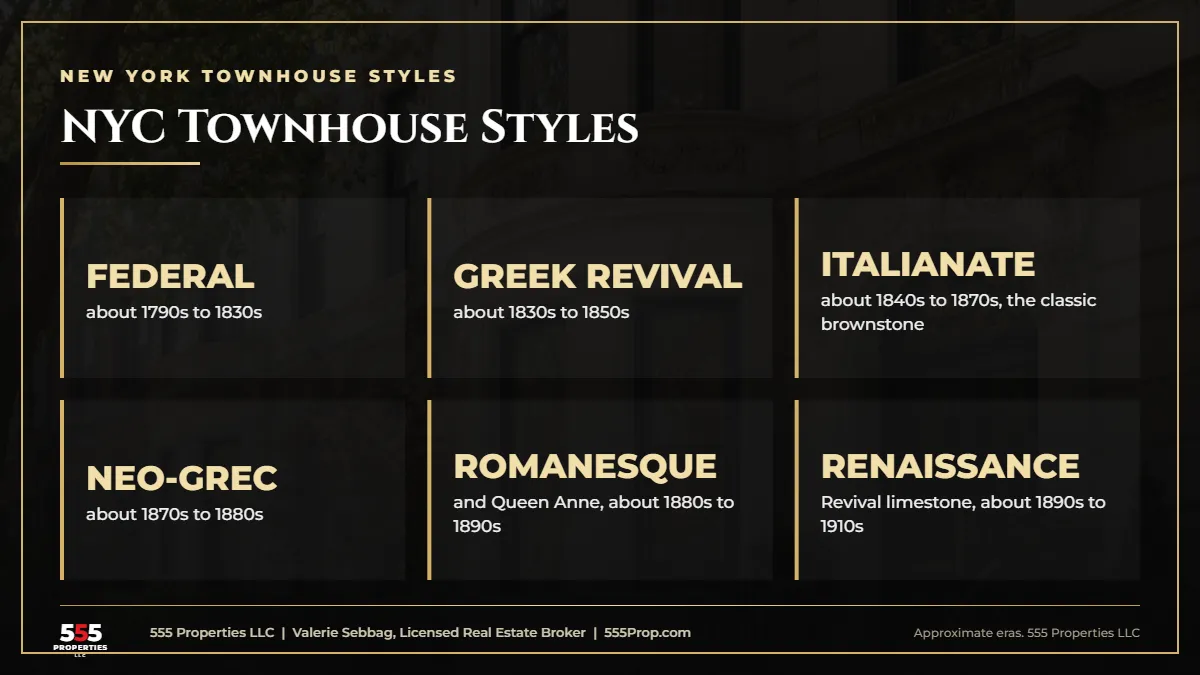
- Federal (about 1790s to 1830s): brick fronts, peaked roofs and dormers, found in the oldest parts of Brooklyn Heights and Greenwich Village.
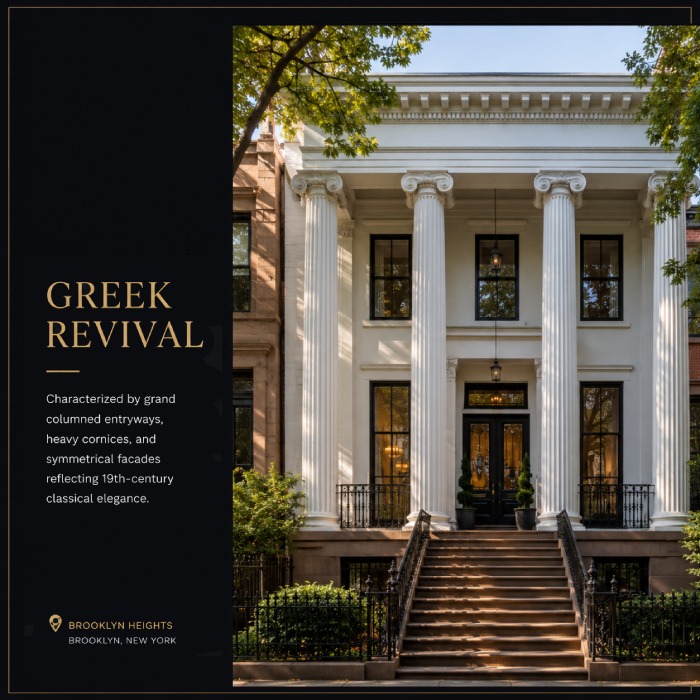
- Greek Revival (about 1830s to 1850s): flat roofs, simple cornices and columned doorways.
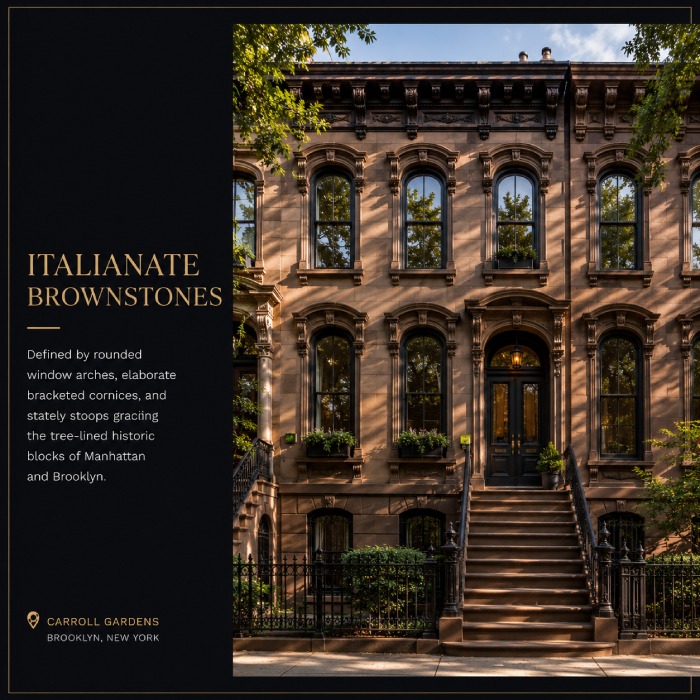
- Italianate (about 1840s to 1870s): the classic brownstone, with heavy bracketed cornices and arched doorways, common in Park Slope, Boerum Hill and Cobble Hill.
- Neo-Grec (about 1870s to 1880s): incised, angular ornament on brownstone fronts.
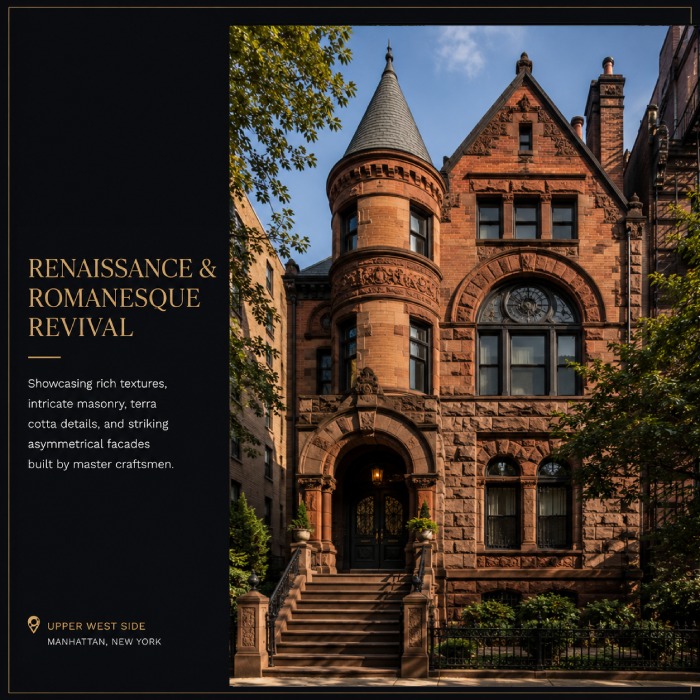
- Romanesque Revival and Queen Anne (about 1880s to 1890s): rounded arches, rich textures and varied materials, seen across Crown Heights North and Park Slope.
- Renaissance Revival (about 1890s to 1910s): elegant limestone and light brick fronts, common on many Crown Heights and Park Slope blocks.
For a neighborhood-by-neighborhood list of landmark districts, see Brownstoner’s guide to Brooklyn historic districts.
Townhouse Neighborhoods We Serve
We also serve townhouse owners on the Upper West Side, in the West Village and Greenwich Village.
Brownstone and Limestone Homes
Stoops, cast-iron railings, garden levels and original entries define the townhouse streetscape buyers look for.
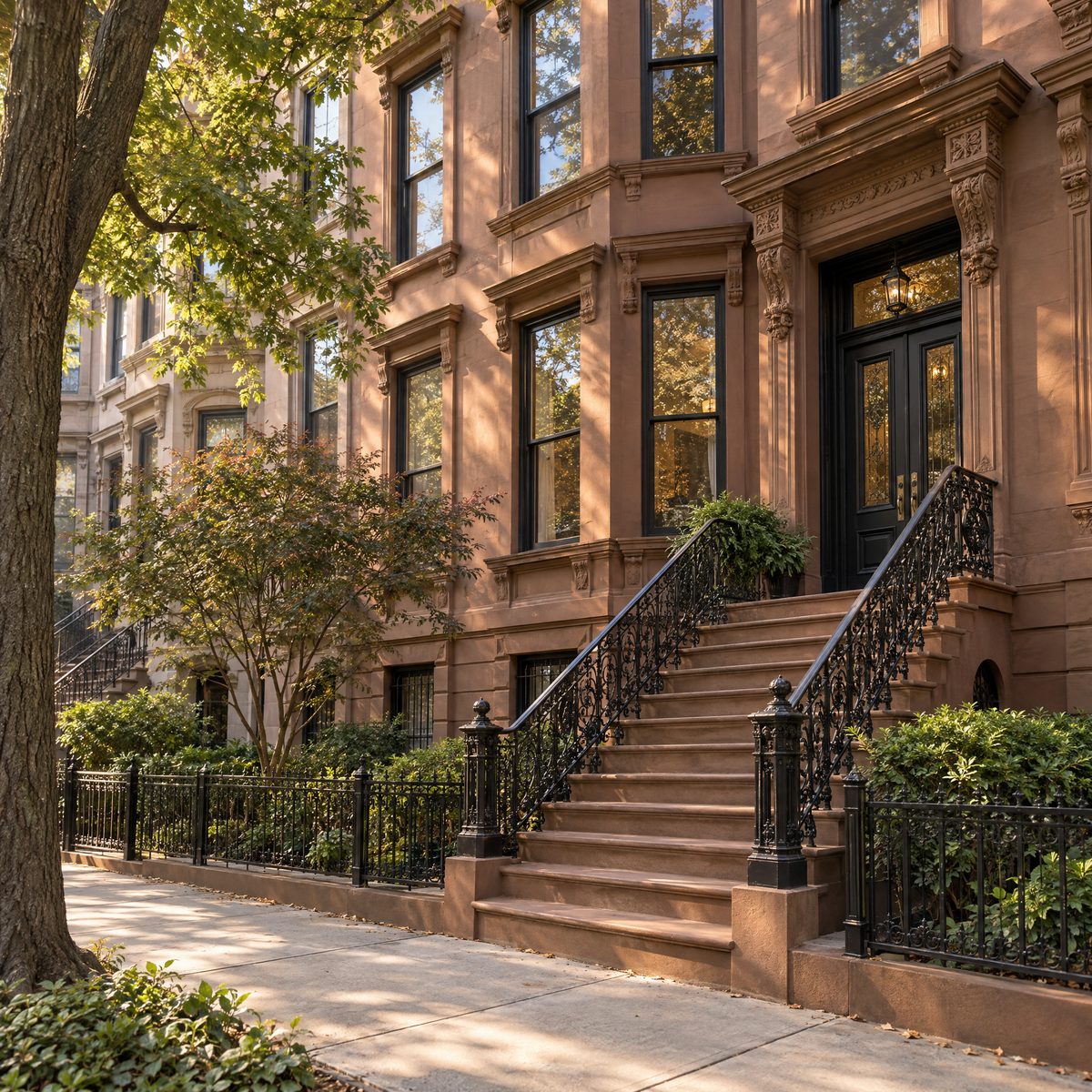
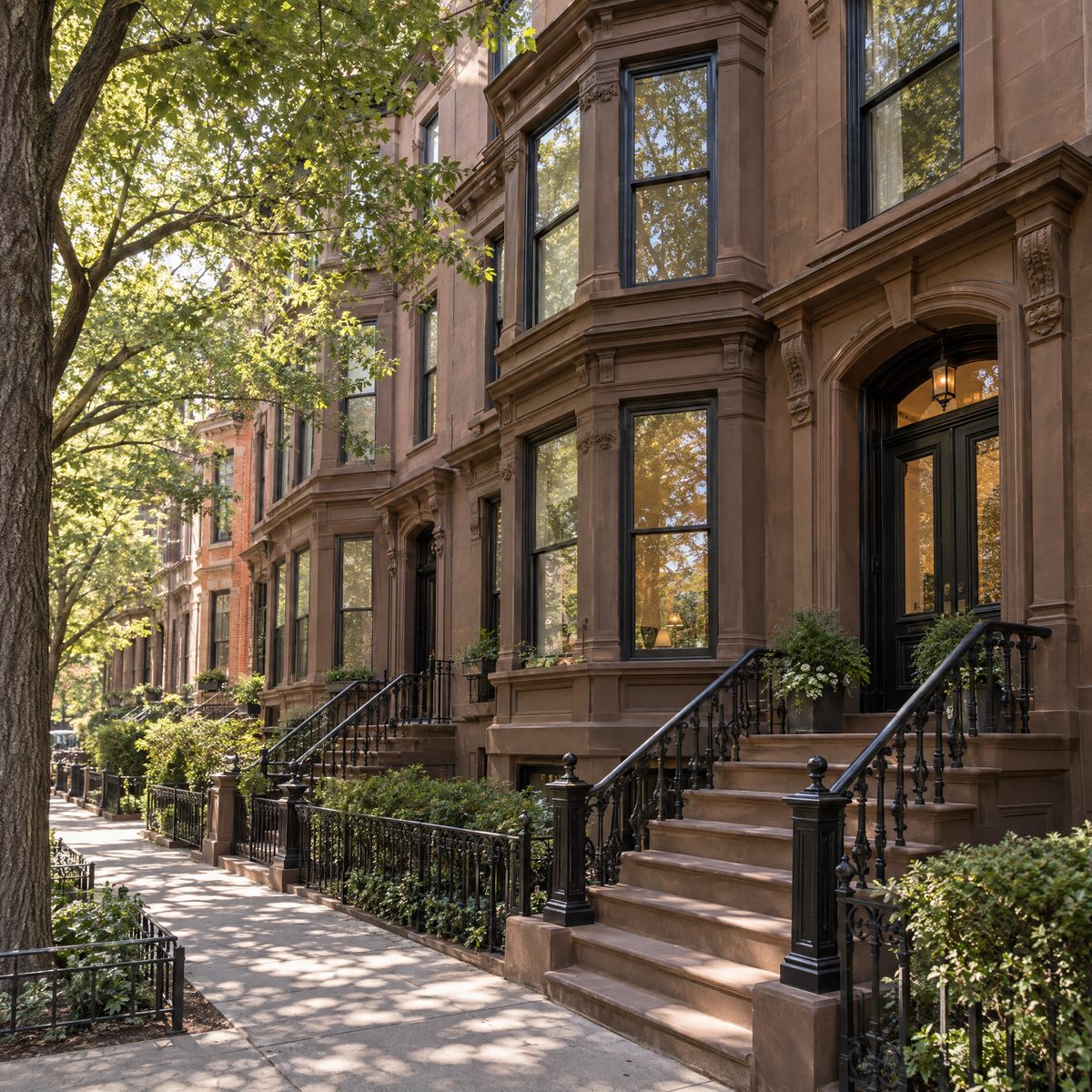
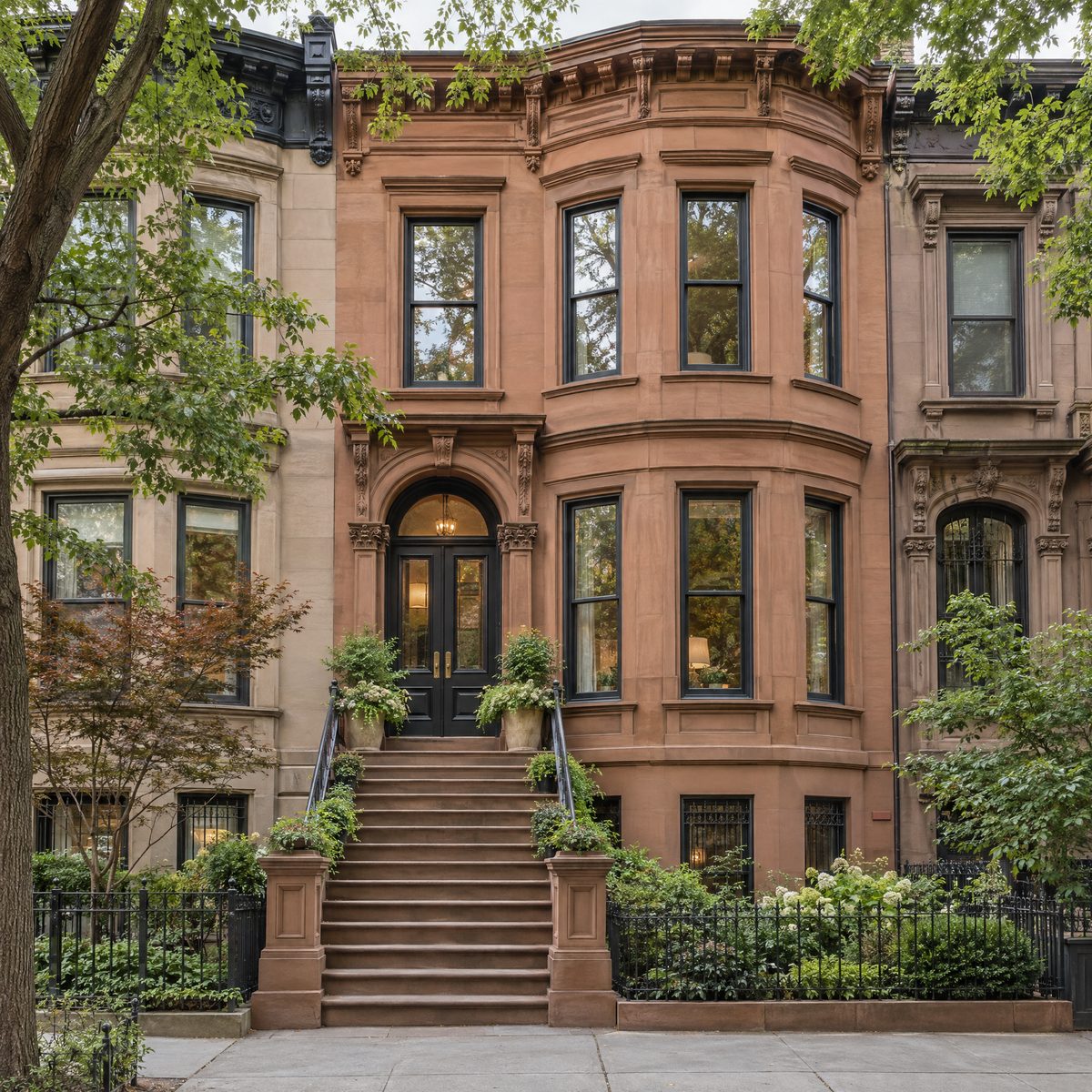
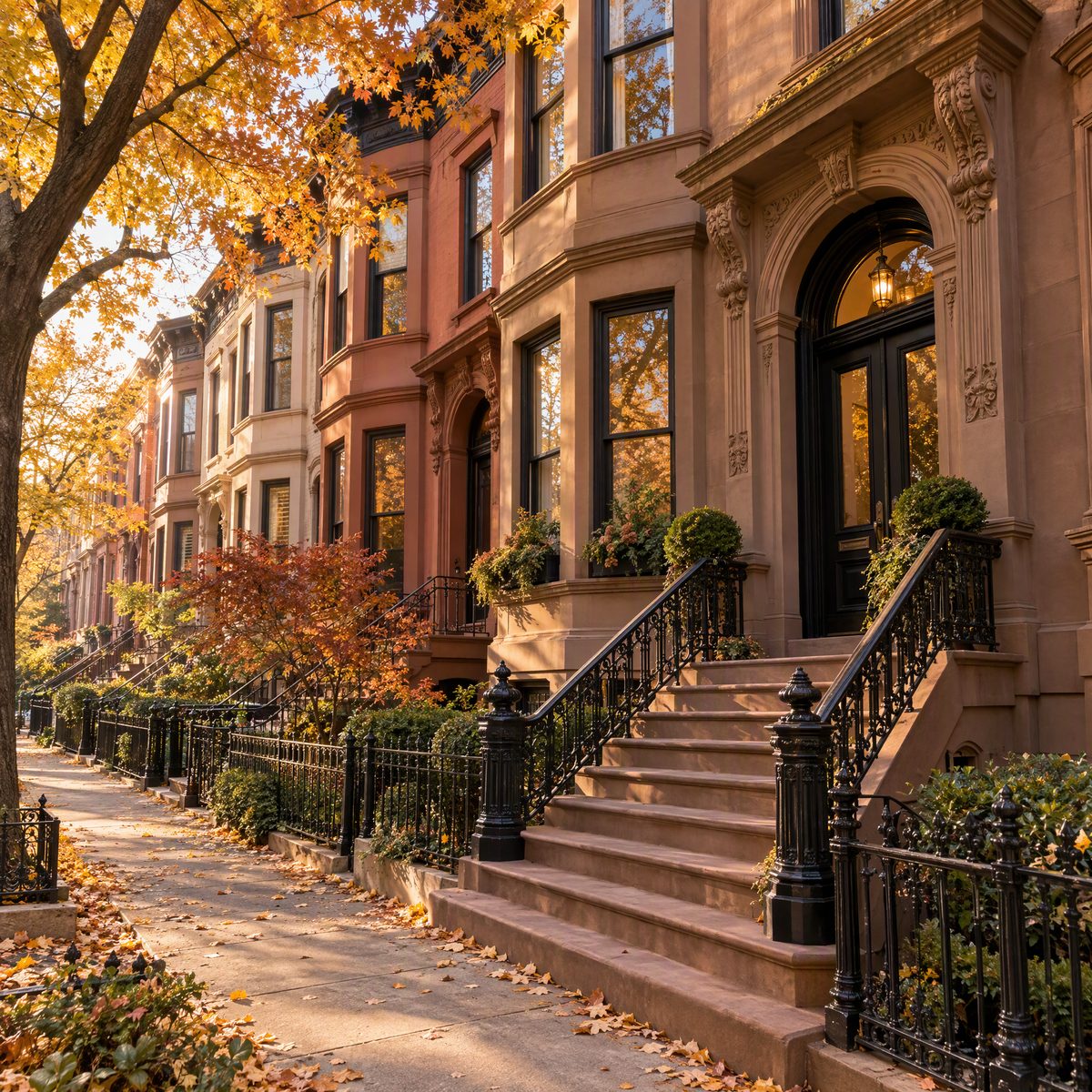
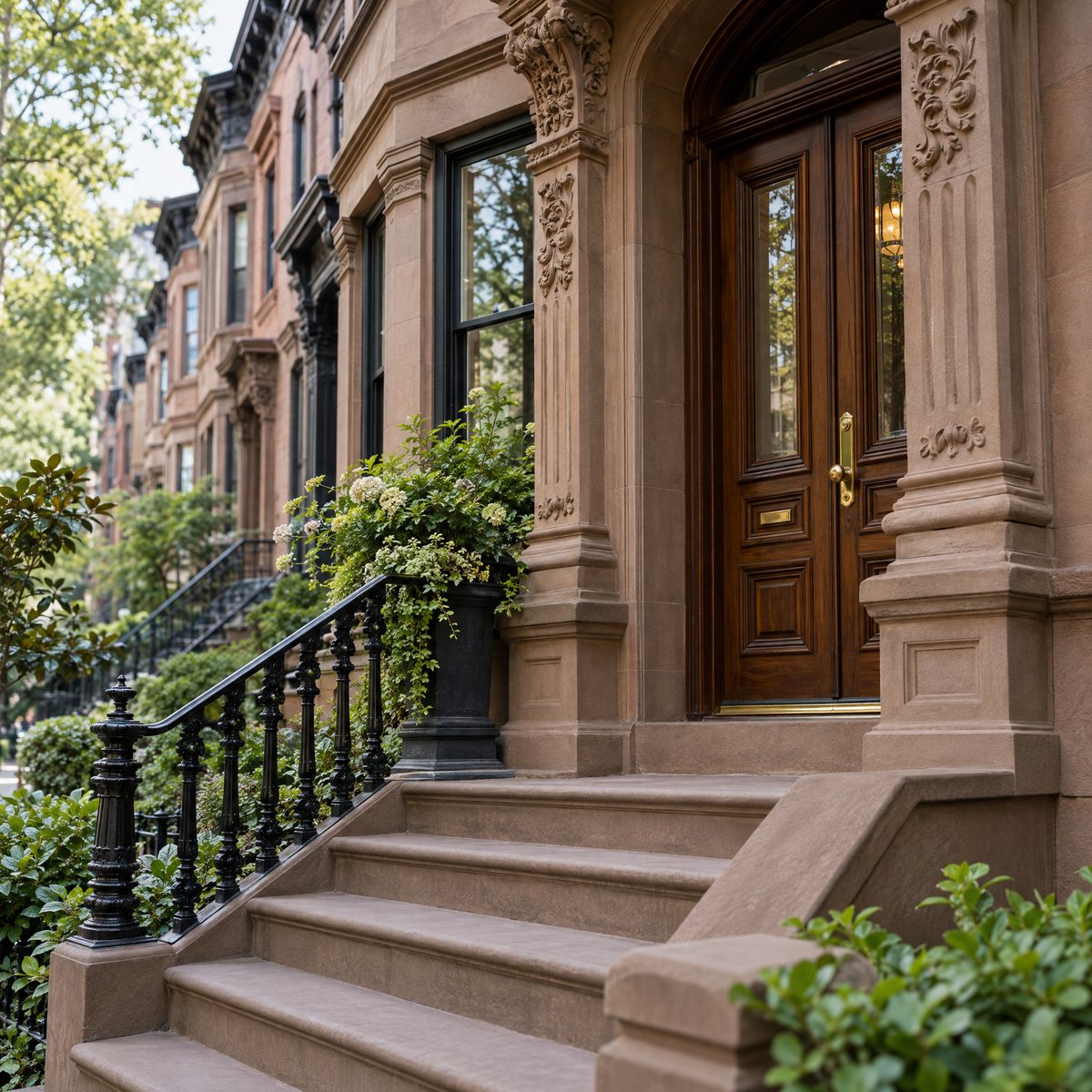
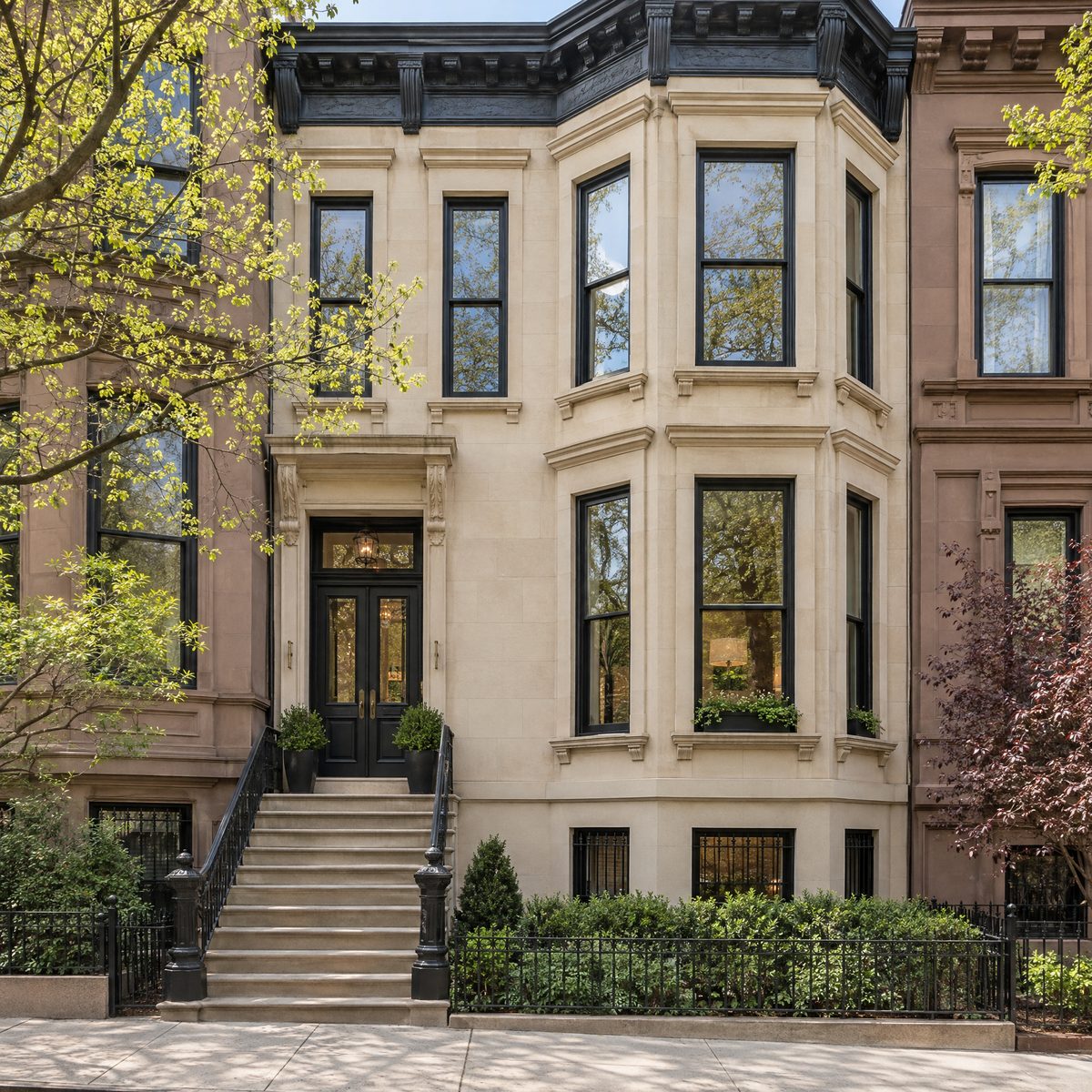
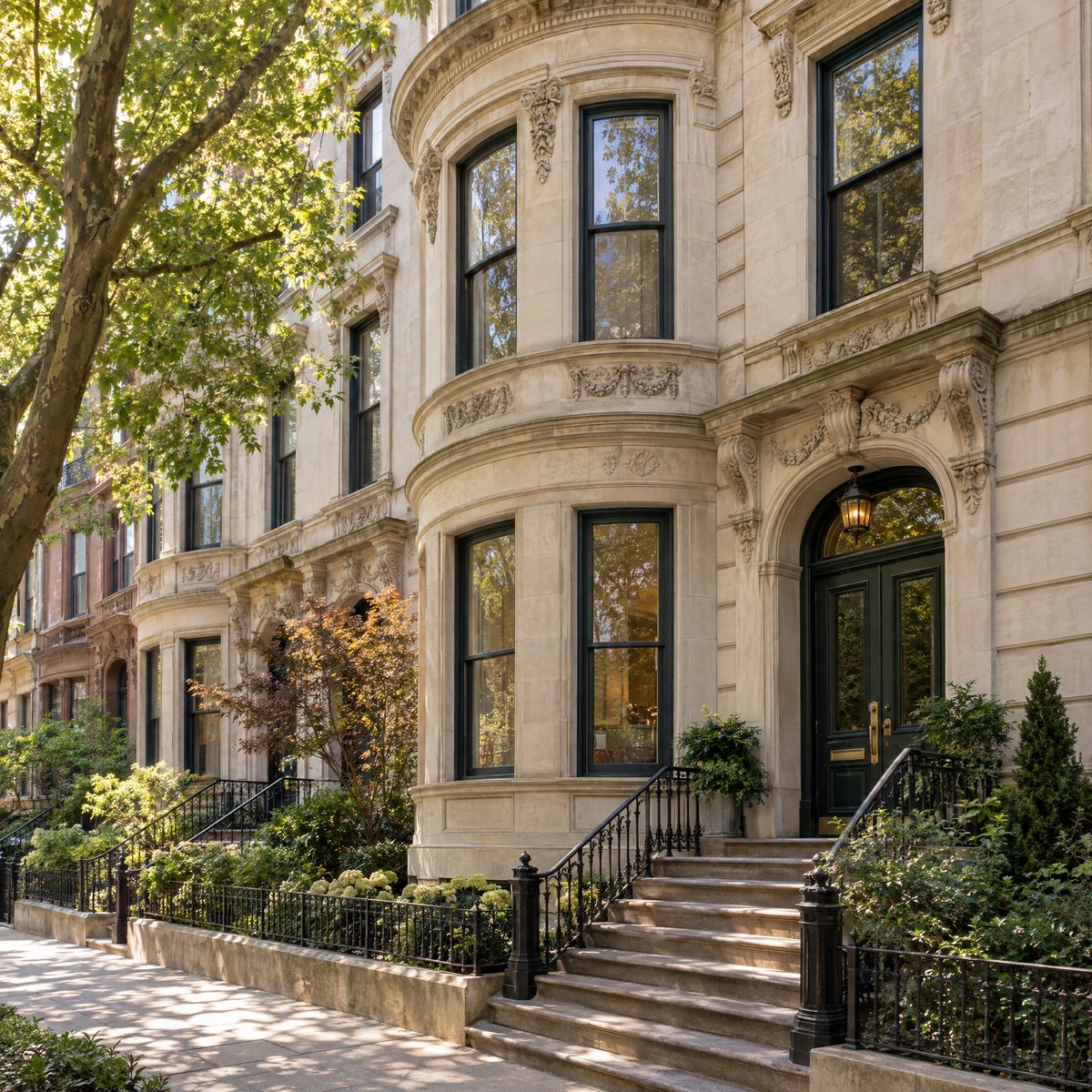
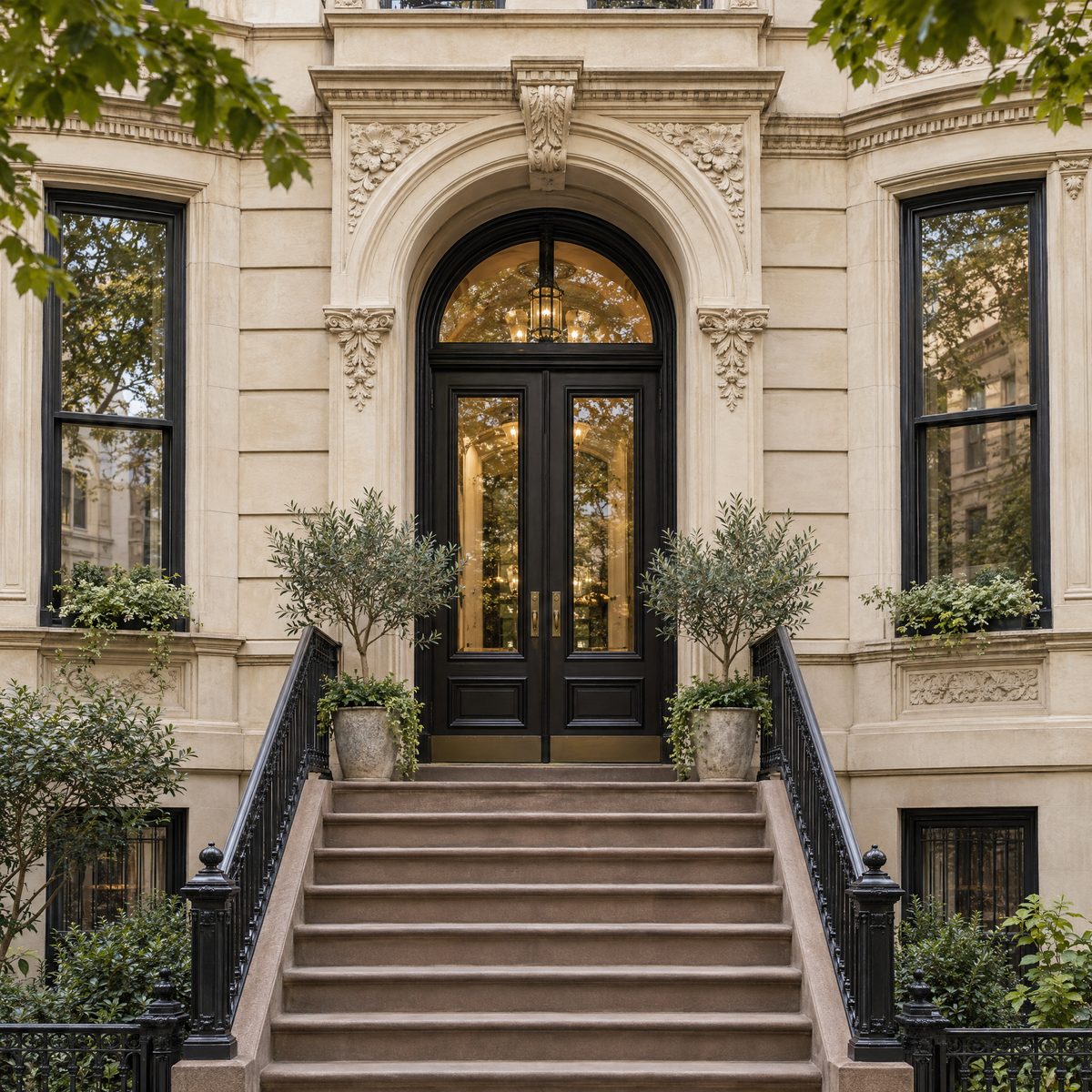
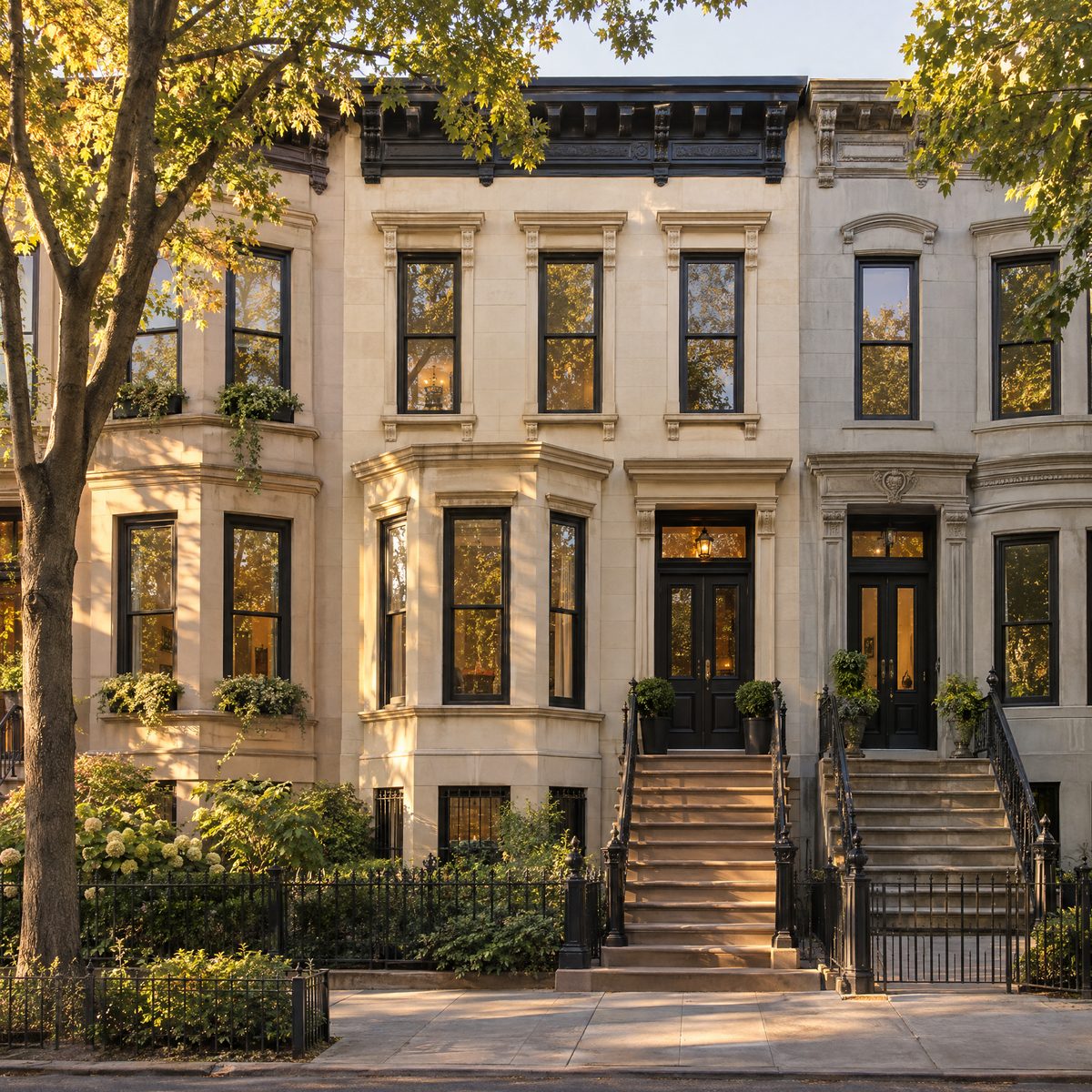
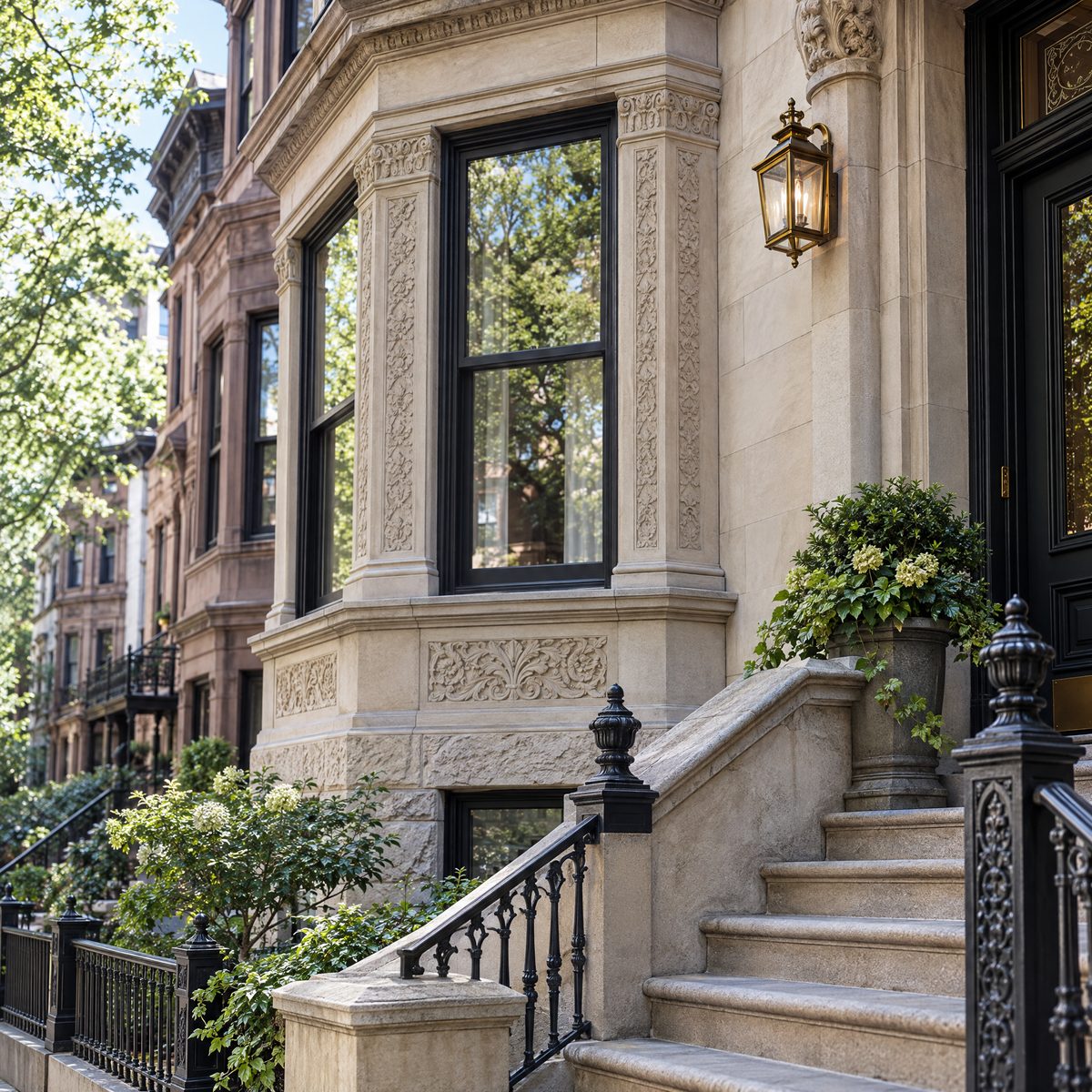
Illustrative images of Brooklyn townhouses. They do not show specific listings.
Recent Townhouse and Brownstone Sales


See every result on the Sold page and in the Crown Heights Market Report 2026.
How We Sell a Townhouse
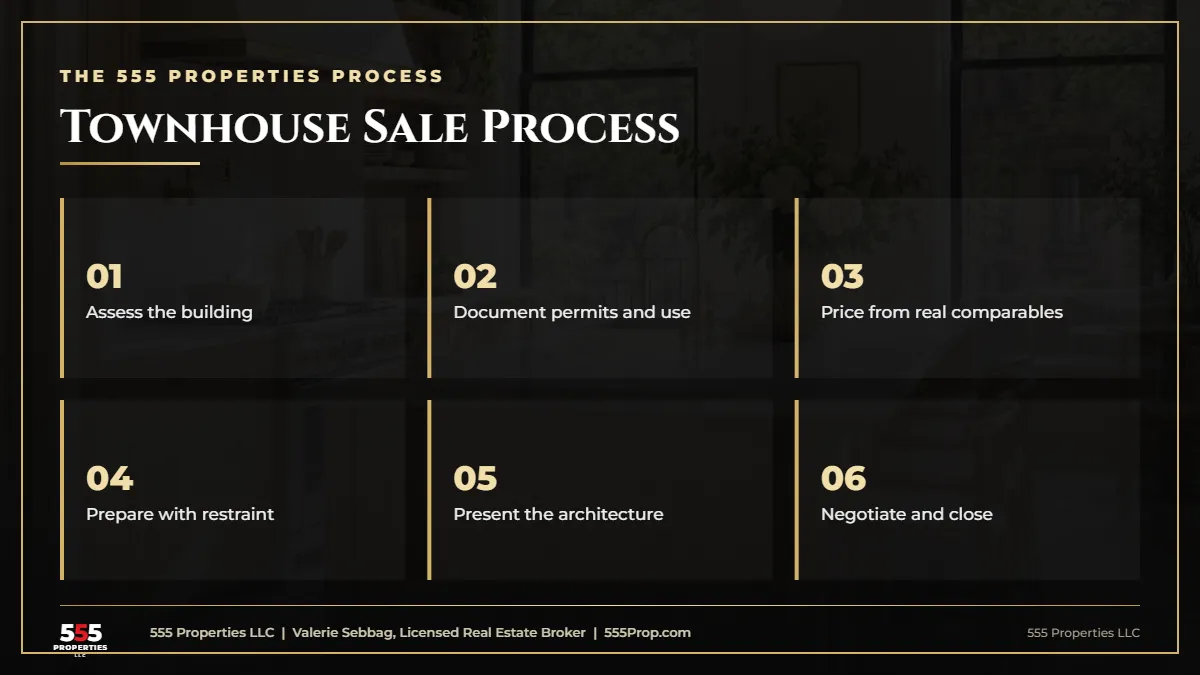
- Assess the building. Facade, stoop, roof, parapets, systems and original details, with an honest list of what buyers will notice.
- Document. Certificate of occupancy, permits, landmark approvals and records of recent work.
- Price from real comparables. Similar rowhouses on nearby blocks, adjusted for width, layout, legal use and condition.
- Prepare. Targeted repairs and staging that let the architecture lead, without unnecessary renovation.
- Present. Photography, floor plans and video that capture proportions, light and detail.
- Negotiate and close. Evaluate offers on price, terms and certainty, then manage the path to closing.
Landmark Rules and Preparation
Many townhouses sit in historic districts overseen by the Landmarks Preservation Commission, where exterior work needs review. For a full preparation checklist, read Selling a Brownstone in Brooklyn, our Crown Heights brownstone selling guide and Modern Brownstones in Brooklyn. If your townhouse has rental units, see why 2 to 4 family homes attract buyers; if it is part of an estate, see probate and estate sales.
Hear From Sellers

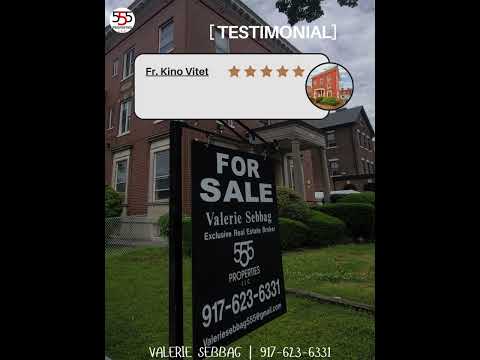

More on the testimonials page.
Townhouse and Brownstone FAQ
What makes a townhouse or brownstone different to sell than an apartment?
A townhouse is a whole building. Buyers evaluate the facade, roof, systems, legal use and any rental units as well as the interiors, and lenders and inspectors look closely at each. Preparation and documentation matter more than in most apartment sales.
Do landmark rules affect my sale?
If your home is in a historic district, exterior changes need Landmarks Preservation Commission review. Buyers often see designation as protection for the block, but they will ask about permits for past work.
Should I renovate before selling?
Usually not a full renovation. Focus on repairs buyers and inspectors will notice, cosmetic refreshes and presenting original details well. Some buyers prefer to renovate themselves.
How is a townhouse priced?
From recent sales of similar rowhouses nearby, adjusted for width, depth, floors, legal unit count, condition, outdoor space and block. Averages for a whole neighborhood are a weak guide for a single house.
Valerie Sebbag brings more than 30 years of client-facing experience and more than 12 years in real estate to every townhouse sale. Read Selling Your Home with Confidence, see client testimonials and selling a luxury property, or request a private valuation.