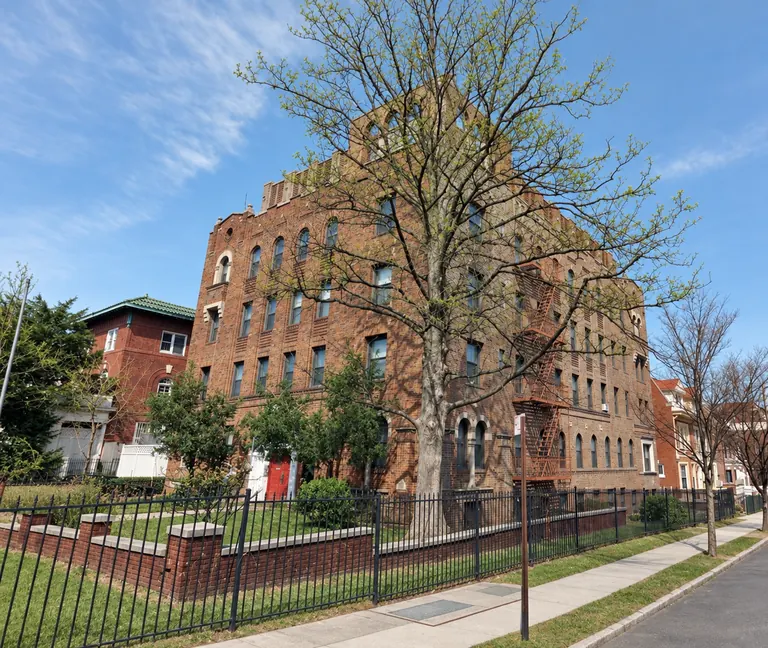
When a well-priced Brooklyn home comes to market in good condition, it can draw more than one serious buyer. In Crown Heights, where prewar houses with original detail are in limited supply, owners sometimes find themselves choosing between offers. That is a good problem to have, but it is still a decision, and the highest number is not always the strongest offer.
Why Some Homes Draw Competing Buyers
Competition usually comes from a combination of factors rather than the market alone: a price set in line with recent comparable sales, a home that is ready to show, clear records, and a launch that reaches the right buyers in the first weeks. Not every home will draw multiple offers, and no one can promise that it will. What a seller can control is preparation, which is what gives buyers the confidence to compete.

How to Compare Offers
Price
The starting point, but only one part of the picture. A slightly lower offer with stronger terms can be the better choice.
Financing
All-cash offers remove lender risk. For financed offers, look at the down payment and whether the buyer has a pre-approval from a lender, not just a pre-qualification.
Appraisal risk
If a financed buyer’s offer is well above recent comparable sales, the bank’s appraisal may come in lower. Ask whether the buyer can cover a gap between the appraisal and the price.
Contingencies
A mortgage contingency is common in New York City contracts. Offers that waive or shorten contingencies carry less risk for the seller, but they should be reviewed with your attorney.
Timing
A closing date that fits your plans, or flexibility to stay in the home for a period after closing, can be worth real money to you.
Buyer readiness
Has the buyer seen the home in person, reviewed the documents and engaged an attorney? Prepared buyers tend to move to contract quickly.

Running a Fair “Highest and Best” Process
When several buyers are interested, a common approach is to ask every party for their highest and best offer by a set deadline. Done well, it is fair to buyers and clear for the seller:
- Give every interested buyer the same deadline and the same information.
- Ask for proof of funds or a lender pre-approval with each offer.
- Request the buyer’s attorney contact, intended closing date and any contingencies in writing.
- Decide in advance which terms matter most to you, so the choice is easier when offers arrive.
From Accepted Offer to Closing

After you accept an offer, your attorney prepares the contract and the buyer’s attorney reviews the building’s records. Once the contract is signed, the buyer’s deposit, commonly 10% of the price, is typically held in escrow, often by the seller’s attorney. A financed buyer then works toward a mortgage commitment before the closing. Every transaction is different, so rely on your attorney for the details of your sale.
Preparing for a Strong Response
The best way to put yourself in a position to choose among buyers is careful preparation. Read our guide to pricing in today’s Crown Heights market, our brownstone selling guide and staging advice. If you are planning ahead, the spring 2027 seller timeline lays out the months before a launch.
Valerie Sebbag represents sellers across Brooklyn, including Crown Heights, Park Slope and Brooklyn Heights, and manages offer review and negotiation personally. Request a private valuation or see recent 555 Properties sales.