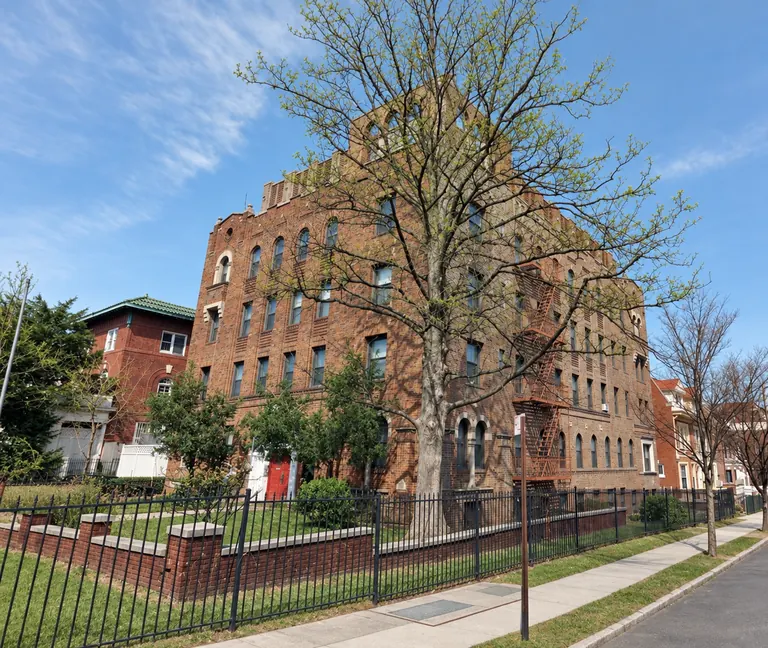
Crown Heights enters 2026 with two forces pulling at once. Long-term demand for its brownstones, limestones and small multifamily buildings remains rooted in architecture, transit and a strong sense of place. At the same time, buyers are more deliberate than they were a few years ago. They compare carefully, ask more questions and negotiate when a home does not match its asking price. For sellers, that combination rewards preparation and precise pricing.
What Changed for Buyers
Higher borrowing costs than the early 2020s have made many buyers more careful about monthly payments, and that shows up in how they shop. Instead of competing on the first weekend, many take time to see several homes, request inspections and review documents before making an offer. Homes that are well presented and priced in line with comparable sales still attract serious interest. Homes priced on hope tend to sit, and a long time on the market often becomes a negotiating point of its own.
Where Crown Heights Homes Still Stand Out
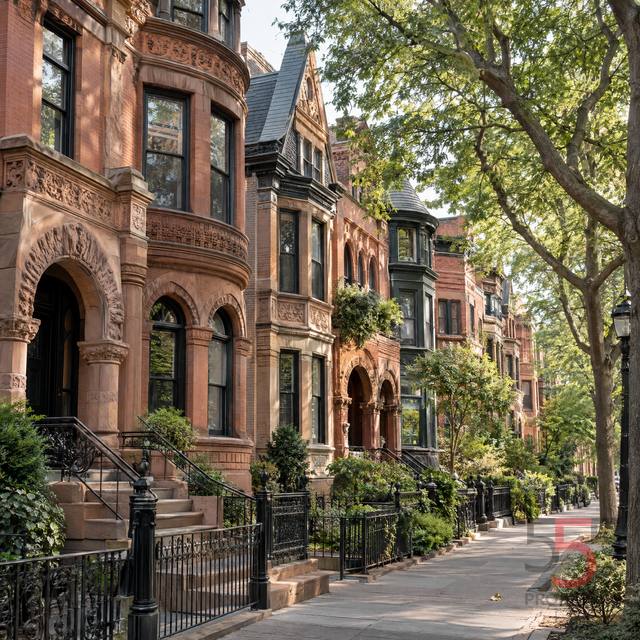
- Architecture buyers cannot find elsewhere. Original woodwork, stoops, high ceilings and wide parlor floors are difficult to replicate in new construction.
- Income potential. Two to four family homes let an owner live in one unit and rent the others, which matters more when buyers watch monthly costs closely.
- Transit and parkway access. Eastern Parkway, Franklin Avenue and Nostrand Avenue give many blocks direct subway access.
- Long-term neighborhood investment. The Atlantic Avenue rezoning and Eastern Parkway upgrades, covered in our Crown Heights Development Watch, show continued public attention to the area.
How Buyers Negotiate in a Deliberate Market
Knowing where a buyer will push lets you prepare before the first showing rather than react after the first offer.
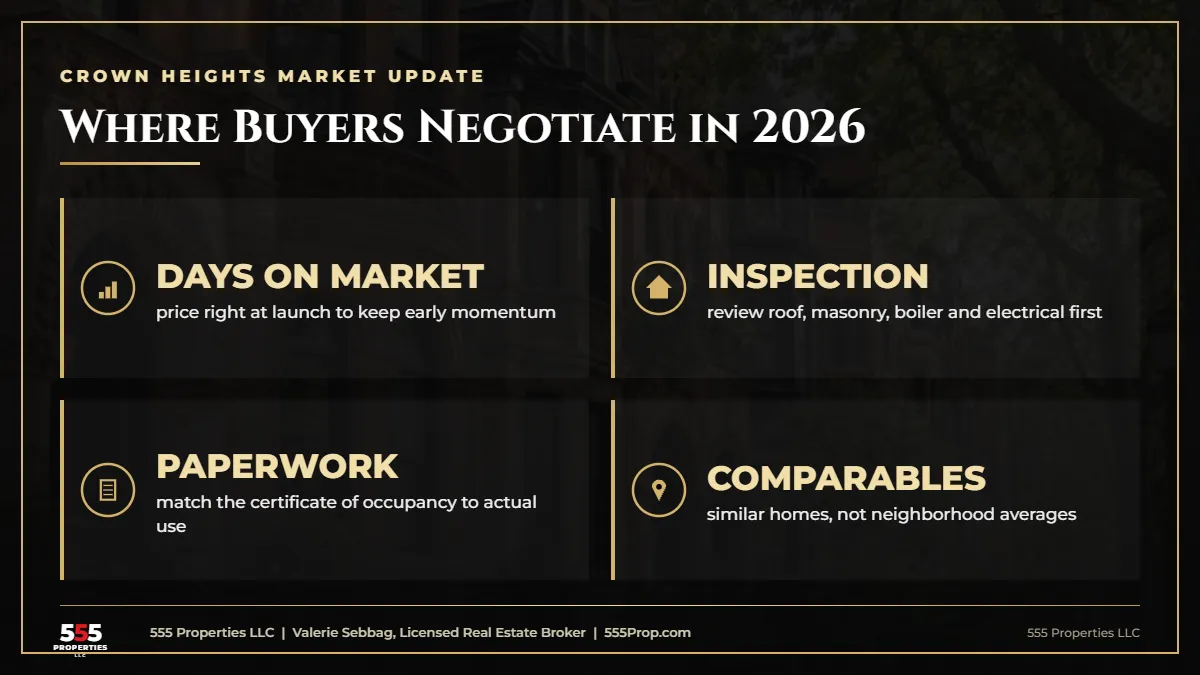
Days on market
The first weeks bring the most attention. A home priced correctly from launch benefits from that momentum. A home that starts high and later reduces can lose leverage, because buyers read the history.
Inspection findings
Older homes almost always reveal something. A pre-listing inspection, or at least a review of the roof, masonry, boiler and electrical service, lets you fix, disclose or price for issues on your terms.
Paperwork gaps
Mismatches between the certificate of occupancy and the actual use of a building, or renovations without permits, can stall a deal. Pull your records early through the city’s Department of Buildings and ACRIS deed records.
Comparable sales
Serious buyers and their lenders lean on recent sales of similar homes. Your pricing should be built on the same evidence. Neighborhood averages mix very different properties and are a weak guide for any single home.
A Pricing Approach That Holds Up

A defensible asking price starts with recently sold homes of similar width, condition, configuration and location, then adjusts for what makes your property different: legal unit count, outdoor space, renovation quality and original detail. It also accounts for what buyers can see right now, the active listings your home will be compared with. The result is a range you can explain to any buyer, appraiser or lender.
For more detail, see our Crown Heights brownstone selling guide, our list of mistakes to avoid when selling in Crown Heights, and the latest Crown Heights private home market report.
Planning Your Sale
If you are considering a sale in 2026 or 2027, the best time to start is before you need to. Gather records, address visible maintenance and get a realistic pricing range. Valerie Sebbag offers a confidential review for Crown Heights owners, and you can request a private valuation here. You can also see recent 555 Properties sales or learn more about working with a Crown Heights realtor focused on sellers.