
Families sometimes hear that New York has a quick small estate process and hope it will cover the house. It usually does not. Understanding the difference early saves time and frustration.
What the Small Estate Process Covers
New York’s voluntary administration, often called a small estate, is a simpler Surrogate’s Court process for estates with personal property, such as bank accounts and cars, worth $50,000 or less. It is designed for modest estates without real estate.
Why a House Is Different
Real property generally is not handled through the small estate process. To sell an inherited house, the estate usually needs an executor with letters testamentary, when there is a will, or an administrator with letters of administration, when there is not.
What That Means for Timing
Full probate or administration takes longer than a small estate. You can still prepare the house, clean it out and get a valuation while the court process moves forward.

Exceptions to Ask About
Some houses pass outside probate, for example property held in a trust or owned jointly with a right of survivorship. See selling a house held in a trust, and ask your attorney about your deed.
Next Steps
Bring the deed, the will if any, and a list of assets to an estate attorney. Then plan the sale with our probate and estate sales guide.
Recent 555 Properties Sales: Homes and Buildings


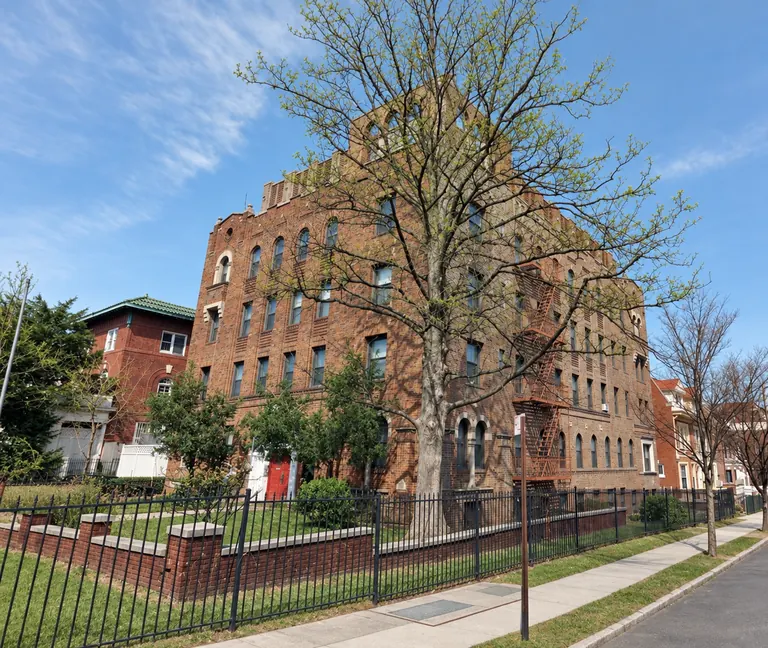
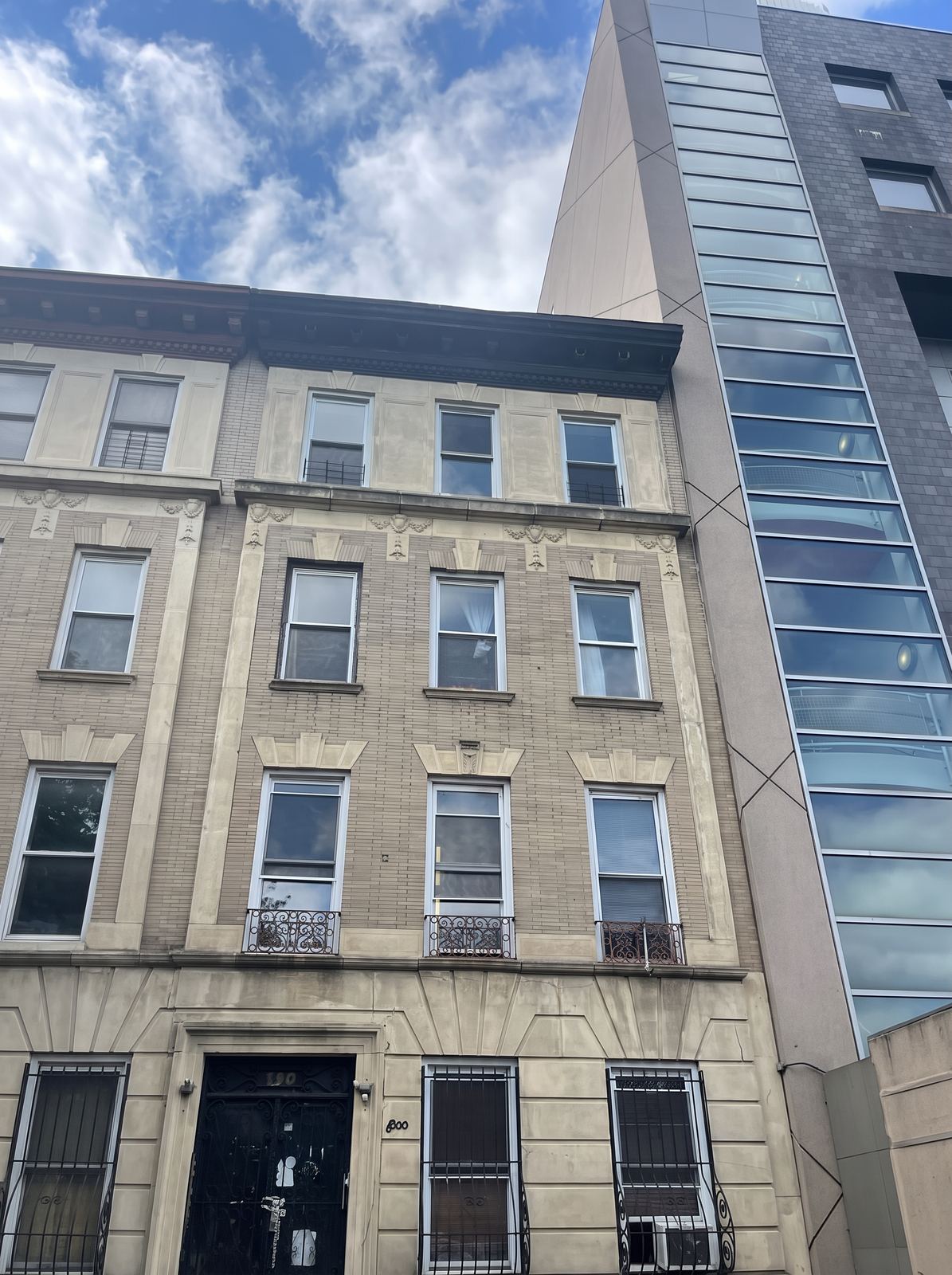
See every closing on our sold properties page.
Frequently Asked Questions
Can I use a small estate filing to sell my parent’s house?
Generally no. A house usually requires full probate or administration. Ask your attorney.
What if the house was owned jointly?
A surviving joint owner with right of survivorship may own it directly. Check the deed with your attorney.
Keep Reading
Main guides: Selling an Inherited Property and Probate and Estate Sales. Related: selling a house held in a trust, who does what in an estate sale, the executor’s first 30 days. Facing more than one issue at once? See selling in a difficult situation.