
Not every sale starts in a calm moment. A divorce, a family disagreement over an inherited house, money owed against the property or open violations can make selling feel impossible. In most cases a sale can still move forward. Here is general information to help you take the first steps, with your attorney and accountant leading the legal and tax side.
Selling During a Divorce
When both spouses are on the deed, both usually need to agree to and sign for the sale, and a court order or settlement agreement may set the terms. A broker can help by giving both sides the same clear information: a pricing range from comparable sales, a timeline and regular updates. Keeping communication neutral and in writing helps the sale stay on track.
Selling During Probate
When an owner passes away, the house usually cannot be sold until someone has legal authority to act for the estate. In New York that authority comes from the Surrogate’s Court: an executor named in a will receives letters testamentary, and when there is no will, an administrator receives letters of administration. Some administrators need court approval before they can sell. While the court process moves forward, the family can often start planning: gathering documents, securing and insuring the house, arranging a cleanout and getting a valuation.
- Who signs. The executor or administrator signs the contract and deed for the estate, not each heir individually, once they have authority.
- Timing. Court timelines vary. A broker can prepare the house and the plan so it is ready to list once authority is granted.
- Estate costs and taxes. Proceeds may need to cover debts, taxes and expenses before heirs receive their shares. Your estate attorney and accountant guide this.
Read more in our probate guides: probate and estate sales in Brooklyn and NYC, selling an inherited property, estate sales in New York, questions and answers and selling an inherited home in Brooklyn.
Heirs Who Disagree
When several family members inherit a house, they may not agree on selling, keeping or renting it. If the estate is still open, the executor or administrator often controls the sale. If owners cannot agree, a court can order a partition, and New York has specific rules for partition cases involving inherited property. Many families settle before that point, for example when one heir buys out the others at a price based on an independent valuation. See inherited and estate property sales and probate and estate sales.

Liens and Pre-Foreclosure
Mortgages, judgments and other liens are normally paid from the sale proceeds at closing. Your attorney orders payoff letters so everyone knows the exact amounts. If you are behind on payments, foreclosure in New York goes through the courts and usually takes time, which can leave room to sell. When the debt is more than the home is worth, a short sale needs the lender’s approval. Free housing counseling is available in New York; ask your attorney or the court for referrals.
Property Tax Liens
Unpaid property taxes, water charges and some other city charges can become liens. The NYC Department of Finance offers payment agreements, and unpaid amounts are normally paid off at closing from the sale proceeds. Check your balances early so there are no surprises.
Building Violations and Open Permits
Department of Buildings and HPD violations, and old permits that were never closed, are common in older Brooklyn houses. Some can be cleared before a sale, while others are handled by pricing the house as-is or by a credit at closing. Read our full guides to selling with open permits or violations and selling as-is.

How Valerie Helps
- A confidential valuation based on comparable sales and public records.
- Coordination with your attorney, accountant, the court or the executor.
- A clear plan for repairs, cleanout or selling as-is.
- Steady, discreet communication with every owner involved.
Recent 555 Properties Sales: Homes and Buildings


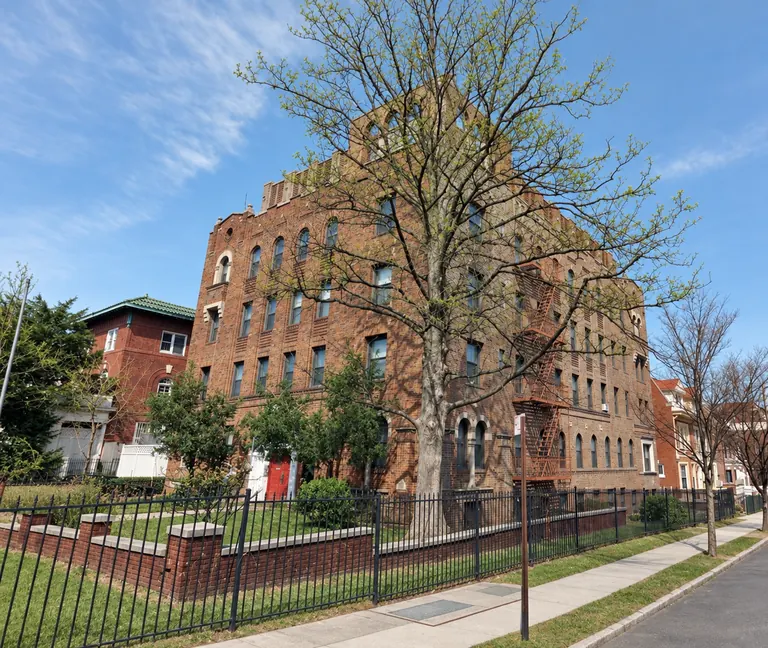
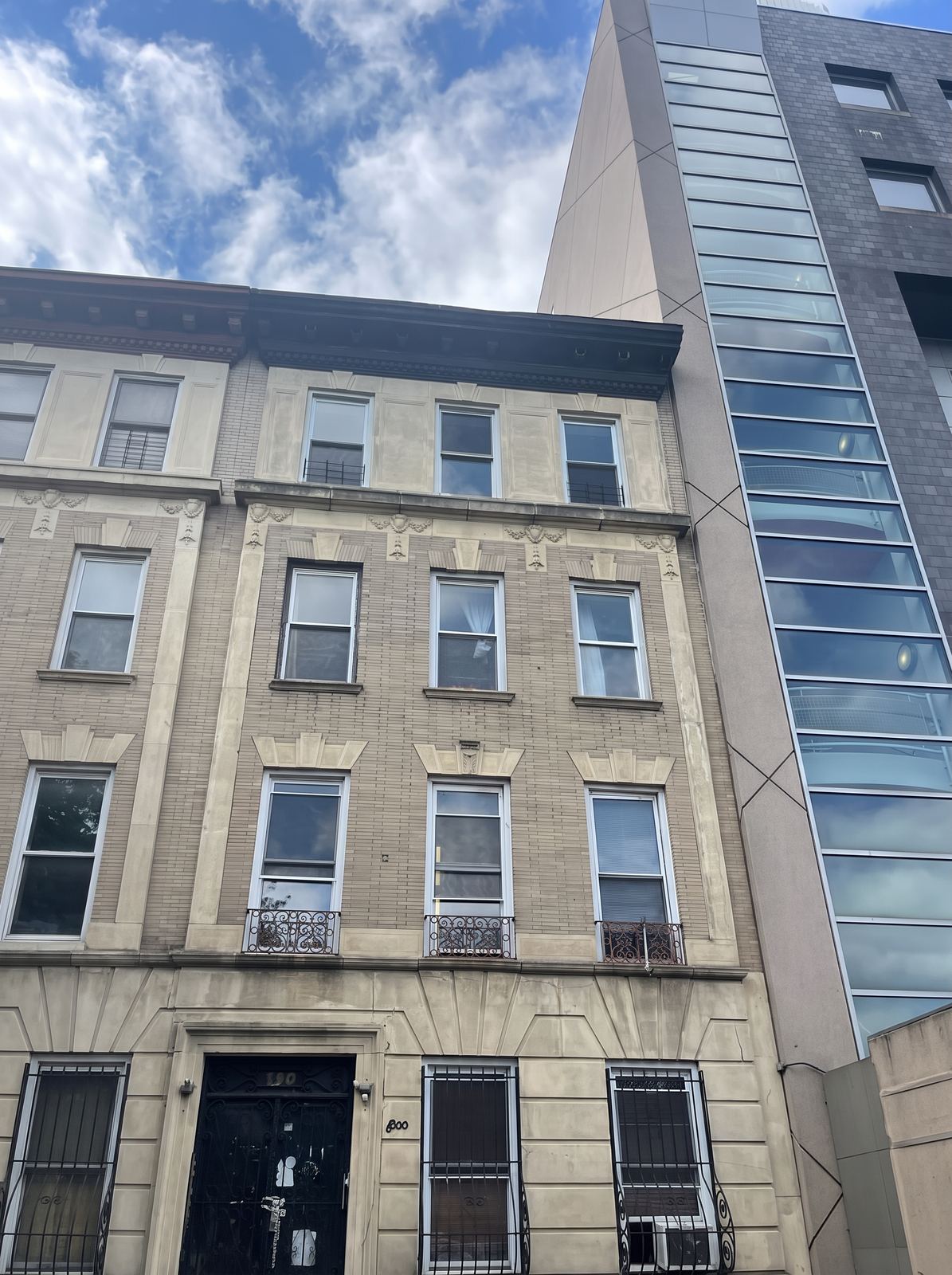
See every closed deal on our sold properties page.
Frequently Asked Questions
Can I sell a house with a lien on it?
Usually yes. Liens are typically paid from the proceeds at closing. Your attorney confirms the payoff amounts.
What if one co-owner refuses to sell?
Owners often settle through a buyout or a negotiated sale. If not, a court process may be needed. Speak with an attorney about your options.
Is a cash buyer better in these situations?
Sometimes speed matters most. Compare any cash offer with an open market valuation first. See cash offer letters vs listing.