
A small house on a wide lot, a garage, a parking lot or a one story store can be worth far more to a developer than to a homebuyer. What sets the value is not the building, but how much can legally be built there. Here is how Brooklyn owners can sell a development site or unused air rights in 2026.
What Makes a Property a Development Site
Developers look at the zoning district, lot size, street width, height limits and how much floor area the rules allow, compared with what stands there today. A property that uses only a small part of its allowed floor area may sell as a site even if the building is in good shape. You can look up your zoning district on the city’s ZoLa map.
How Buyers Price Sites
- Buildable square feet. Sites are usually compared by price per buildable square foot: the lot area times the allowed floor area ratio, adjusted for any bonuses that apply.
- Use. Residential, commercial or community facility use changes what a buyer can build and finance.
- Deliverability. A vacant site is simpler than one with tenants, an operating business or a building that needs demolition.
- Conditions. Environmental designations, landmark status, easements and title issues can lower value or slow a sale.
Selling Air Rights
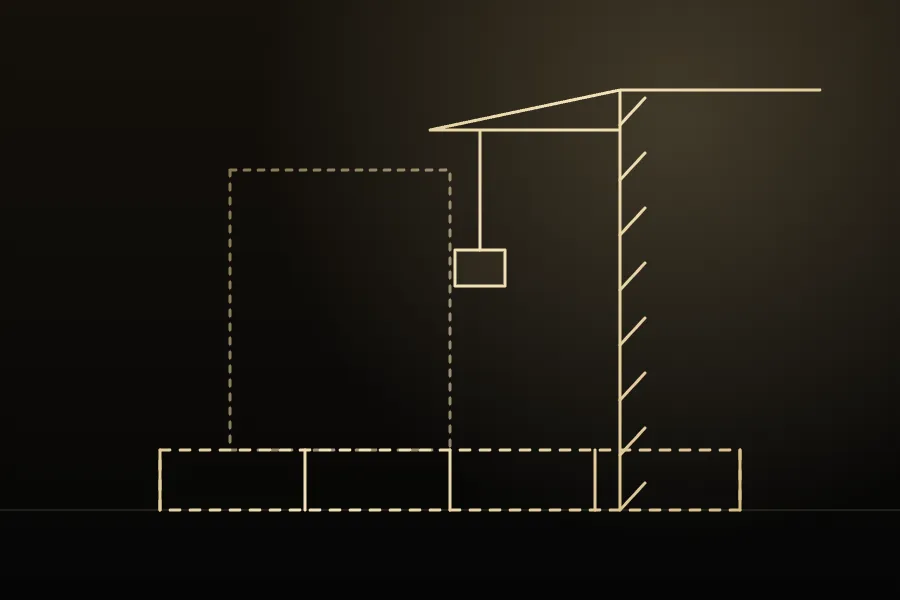
Air rights are the unused floor area on your lot: the amount the zoning allows minus what your building already uses. In many cases they can be transferred to an adjacent property through a zoning lot merger, so the most likely buyer is often the owner or developer next door. Landmarked buildings have their own transfer rules. Because these deals affect your property for good, they need a zoning analysis and an attorney before you agree to terms.
What City of Yes Changed
The City Council adopted City of Yes for Housing Opportunity on December 5, 2024. In broad terms it:
- Lets buildings in medium and high density districts add at least 20 percent more housing when the extra homes are permanently affordable (the Universal Affordability Preference).
- Rolls back parking requirements for new housing, especially near transit.
- Allows two to four stories of housing above stores on commercial streets in lower density areas (Town Center zoning), and modest apartment buildings on larger lots near transit.
- Allows accessory dwelling units for many one and two family homes.
For some owners this raises what a developer can build, and so what a site may be worth. The details depend on your exact district and lot, so a zoning review comes before any price talk.

How a Site Sale Works
- Zoning and site review. Confirm district, lot area, allowed floor area, and any bonuses or limits.
- Documents. Survey, title, leases, certificates of occupancy and environmental reports if you have them.
- Marketing to the right buyers. Local developers, builders and investors, often with an offering summary and a buildable area estimate.
- Offers and terms. Developers often ask for a due diligence period and may ask to close later. Price, deposit, timing and contingencies all matter.
- Tax planning. Some sellers use a 1031 exchange. Speak with your accountant early.
Commercial Properties We Sell


See every property type we sell on our Brooklyn commercial sales page.
Frequently Asked Questions
Is my house a development site?
It may be if the lot is large or wide and the zoning allows much more floor area than the house uses. A free review compares the two.
Can I sell only my air rights and keep my building?
Often yes, usually to an adjacent owner. It requires a zoning analysis, title work and an attorney.
Do you also sell multifamily and mixed-use buildings?
Yes. See selling a mixed-use building and our commercial sales page.