
Insurance is easy to overlook after a loss, yet it protects what is often the estate’s largest asset. Many homeowner policies change once a house is empty, so a quick call early on can save the estate a great deal.
Why Vacancy Matters
Many homeowner policies limit or exclude certain losses, such as vandalism or water damage, once a house has been vacant for a set period, often 30 or 60 days. The exact terms are in the policy, so read it or ask the agent.

Tell the Insurer
Let the company know the owner has passed and who is handling the estate. Ask whether the policy stays in force, who the named insured is now, and whether a vacancy endorsement or a vacant dwelling policy is needed.
Questions to Ask
- What counts as vacant or unoccupied under this policy?
- Which losses are limited after that point?
- Do you require regular inspections or heat kept on?
- Will coverage continue while the house is listed for sale?

Lower the Risk
- Keep heat on, and ask your plumber about shutting water to unused fixtures.
- Visit at least weekly and keep a simple log.
- Use timers on lights and keep the yard and sidewalk tidy.
When You List
Buyers and their lenders will ask about the house’s condition. Keeping it insured, maintained and documented makes the sale smoother. See the executor’s first 30 days.
Recent 555 Properties Sales: Homes and Buildings


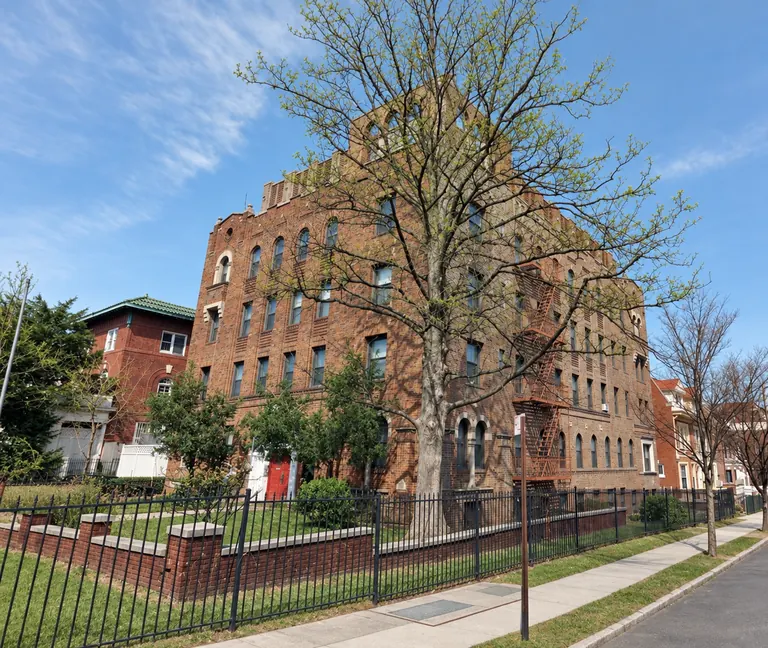
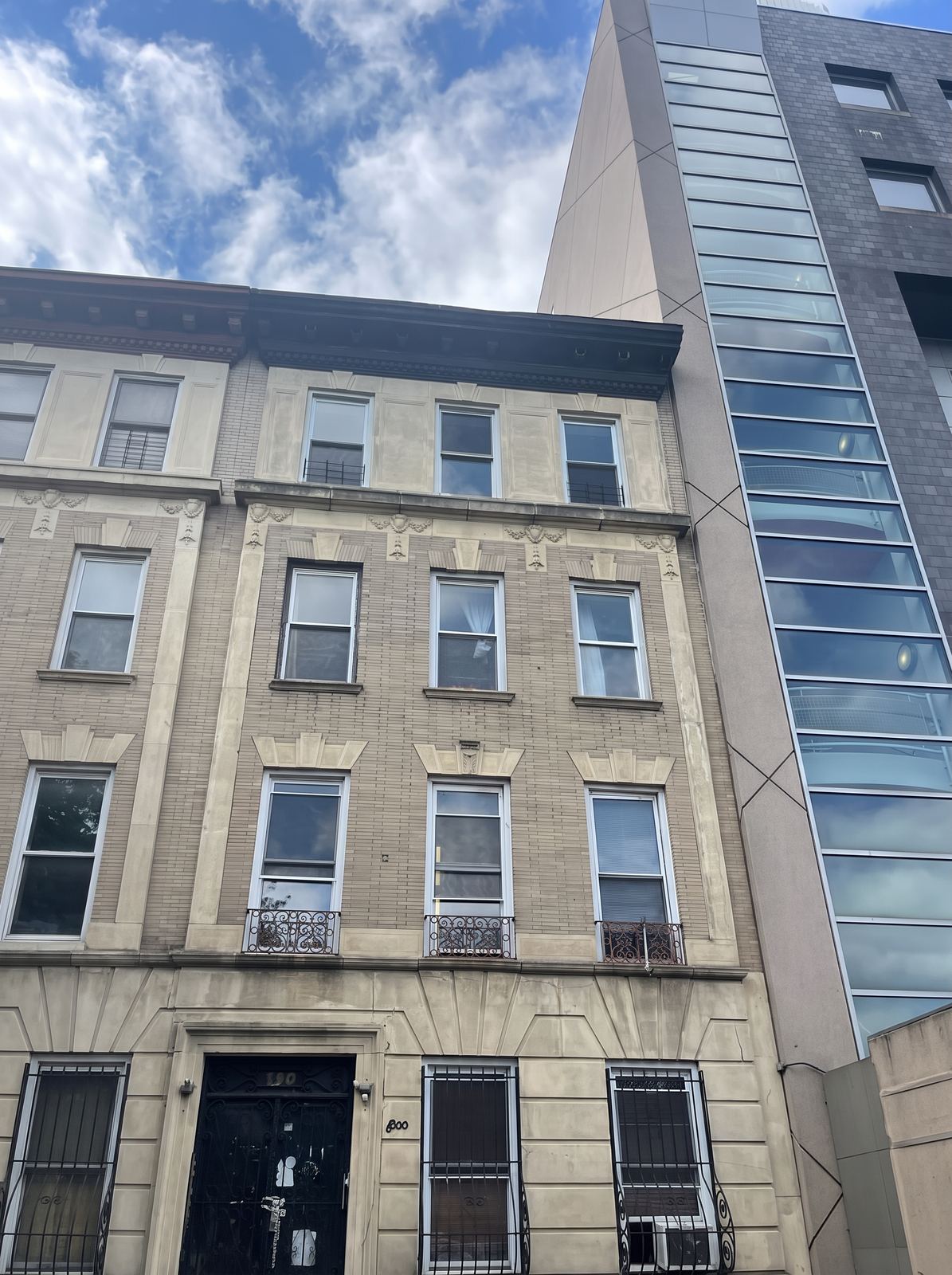
See every closing on our sold properties page.
Frequently Asked Questions
Who pays for insurance during probate?
Usually the estate, from estate funds. Your estate attorney can confirm.
Does the policy end when the owner dies?
Not automatically, but terms can change. Call the insurer and ask for answers in writing.
Keep Reading
Main guides: Selling an Inherited Property and Probate and Estate Sales. Related: the executor’s first 30 days, cleaning out the house, sell as-is or renovate. Facing more than one issue at once? See selling in a difficult situation.