NYC Department of Finance recorded sales for Brooklyn, October 2025 to September 2026, analyzed by 555 Properties LLC:
- Condos: median $1,200,000 across 3,423 sales, up 17.1% from $1,025,000 the year before.
- Co-ops: median $485,000 across 2,101 sales, down 3.0% from $499,999.
- 1 to 3 family houses: median $1,225,000 across 5,261 sales, up 2.1%.
Own a house, brownstone or building instead? See Crown Heights realtor for sellers, selling a Crown Heights brownstone and selling a mixed-use building.
Medians describe the market, not the value of any one home. Source: NYC Department of Finance. Sales under $100,000 excluded.
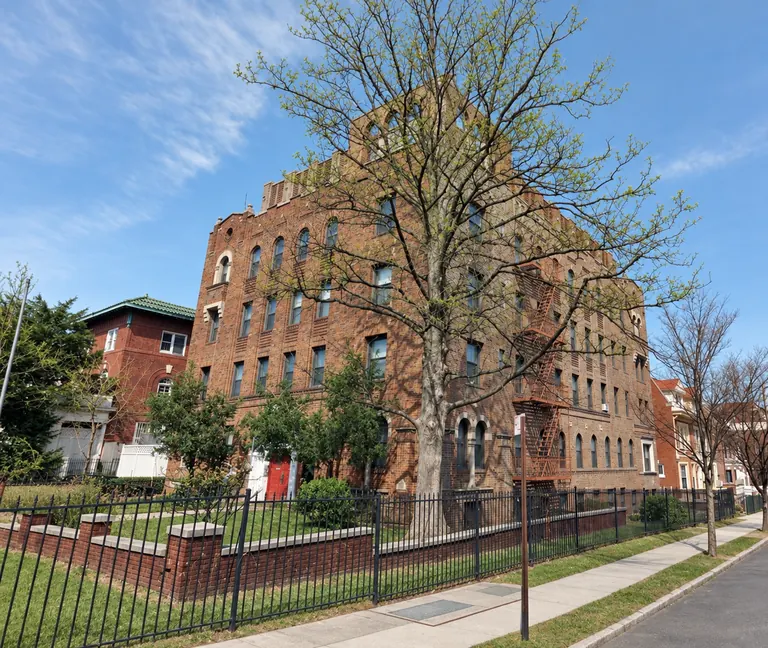
Crown Heights is best known for its brownstones, but apartments make up a large share of its homes, from prewar co-ops along Eastern Parkway to newer condominiums like the five-residence building at 311 Eastern Parkway. Selling an apartment follows different rules from selling a house, and the paperwork, approvals and costs differ again between condos and co-ops. Knowing those differences up front makes for a smoother sale.
Condo or Co-op: Why It Matters

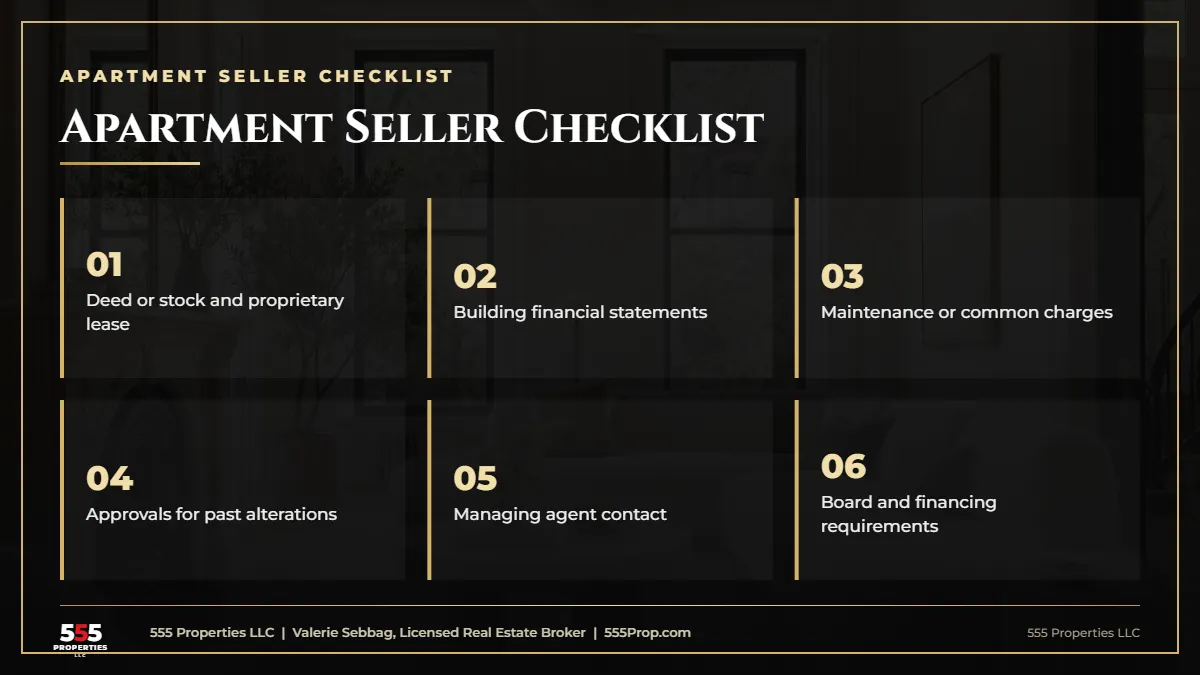
When you own a condominium, you own real property: your unit plus a share of the common elements, transferred by deed. When you own a co-op, you own shares in a corporation that owns the building, together with a proprietary lease for your apartment. That distinction drives almost everything else in the sale.
Selling a co-op
- Board approval. Your buyer submits a board package with financial statements, references and tax returns, and usually attends an interview. Boards can decline buyers, so a well-qualified buyer is worth a great deal.
- Financial requirements. Many co-ops set minimum down payments or post-closing liquidity requirements. Know your building’s rules before pricing.
- Flip tax. Some co-ops charge a transfer fee on sales, often paid by the seller. Check your proprietary lease and house rules.
Selling a condo
- Right of first refusal. Many condo boards hold a right of first refusal on sales, which is usually waived as a formality.
- Documents. Buyers review the offering plan, bylaws, recent financial statements and board minutes, often through a questionnaire completed by the managing agent.
- Financing. Lenders look at the building as well as the buyer, so a healthy building with good reserves helps your sale.

What Buyers Look For in a Crown Heights Apartment
- Light, layout and condition, especially kitchens and bathrooms.
- Monthly costs: maintenance for co-ops, common charges and taxes for condos.
- Building health: reserves, recent assessments and planned capital work.
- Location: proximity to Eastern Parkway transit, Prospect Park and the Franklin Avenue and Nostrand Avenue corridors. See Discover Crown Heights.
Costs to Plan For
Sellers of co-ops and condos in New York City generally pay the NYC and New York State transfer taxes, attorney fees, brokerage commission, any flip tax and managing agent fees for the sale package. Our seller timeline lists the current transfer tax rates.

Presenting an Apartment Well
Apartments are judged quickly from photos, so preparation pays off: neutral paint, good lighting, edited furniture and clean, uncluttered kitchens and baths. Our staging guide and value checklist apply to apartments as well as houses. For pricing context, see the Crown Heights Market Report 2026 and Crown Heights Real Estate 2026.
Valerie Sebbag represents sellers of condos, co-ops and houses in Crown Heights and across Brooklyn, and manages the board package process personally. Read Selling Your Home with Confidence, learn about working with a Crown Heights realtor, or request a private valuation.