
If the house was titled in a living trust, the successor trustee can often sell it without waiting for probate letters. The process can be smoother, but it still has its own paperwork.
Check How the House Is Titled
The deed shows whether the house is owned by the trust. If it was never transferred into the trust, it may still need probate. Your attorney will check.

The Trustee’s Role
The successor trustee generally has authority to sell under the trust document and must act in the beneficiaries’ interest. Keep beneficiaries informed.
Documents for the Closing
The buyer’s attorney and title company may ask for a copy of the trust or a certification of trust, the death certificate and proof of the trustee’s appointment. Having these ready keeps the deal moving.

Timing
Without a court timeline, a trust sale can often move at a normal market pace. Preparing the house and pricing it from recent comparable sales still matters.
Distributing the Proceeds
Proceeds are distributed according to the trust terms, after costs and any taxes. Your attorney and accountant guide this.
Recent 555 Properties Sales: Homes and Buildings


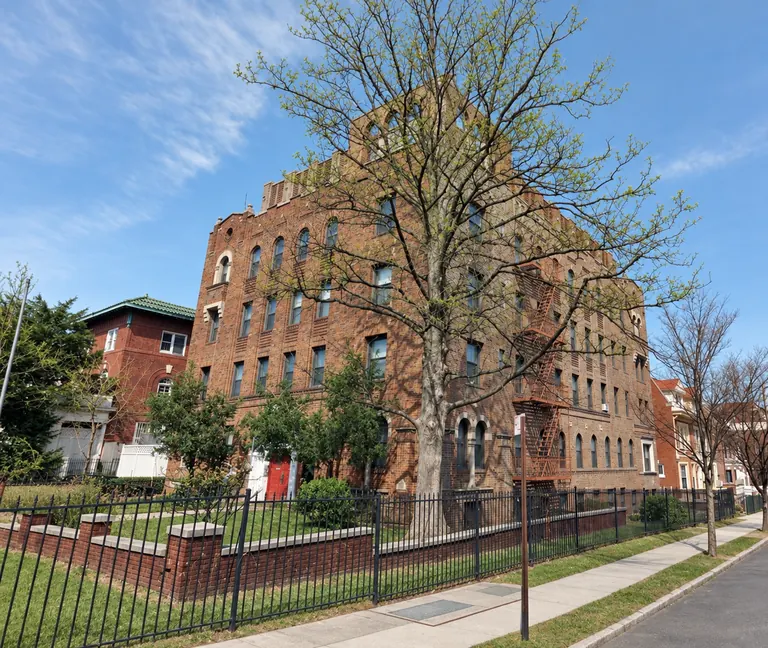
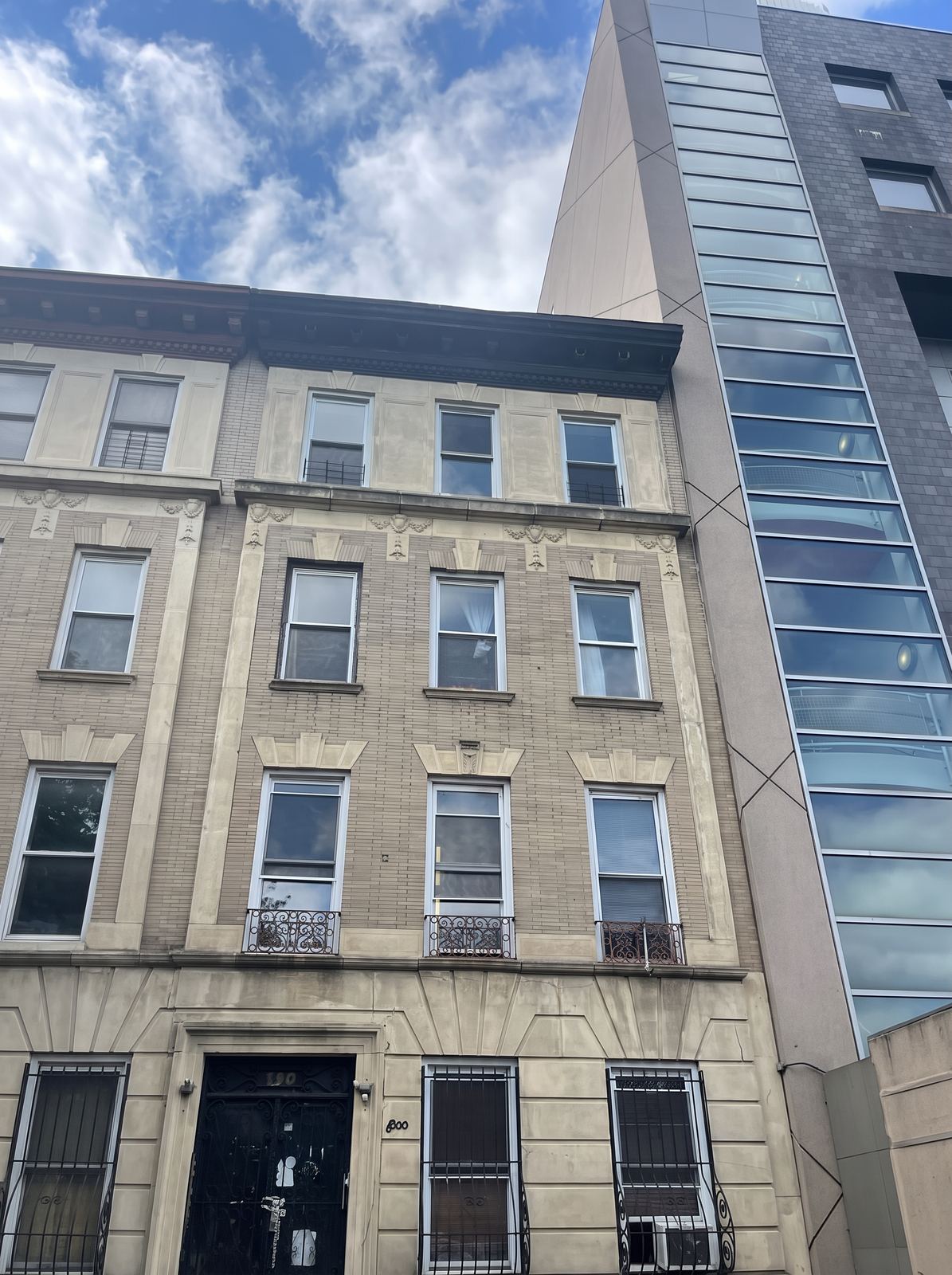
See every closing on our sold properties page.
Frequently Asked Questions
Does a trust sale need court approval?
Often not, but it depends on the trust and the situation. Ask your attorney.
Can beneficiaries object?
Beneficiaries have rights under the trust and the law. Clear communication helps.
Keep Reading
Main guides: Selling an Inherited Property and Probate and Estate Sales. Related: small estates in New York, who does what in an estate sale, the date-of-death valuation. Facing more than one issue at once? See selling in a difficult situation.