
Ask an estate accountant about an inherited house and one of the first questions will be: what was it worth on the date of death? That number often plays a role in estate filings and in taxes when the house is later sold.
Why the Date Matters
Under federal tax rules, inherited property generally receives a tax basis equal to its fair market value at the date of death, often called a stepped-up basis. That can affect how much gain, if any, is taxed when heirs sell. Your accountant applies the rules to your situation.

Estate Filings
The value may also be needed for estate tax filings when the estate is large enough. Thresholds change, so ask your attorney or accountant for current figures.
Who Prepares It
A licensed appraiser usually prepares a retrospective appraisal as of the date of death, using comparable sales from around that time. A broker can share recent sales data to help, but a formal appraisal is typically what advisors rely on.

Appraised Value vs Listing Price
The date-of-death value is a historical snapshot. A listing price is a strategy for today’s market. They can differ, and both are useful.
Getting Started
Gather the deed, recent tax bills and photos of the house as it was. Then speak with your accountant. For selling, see our estate sales guide.
Recent 555 Properties Sales: Homes and Buildings
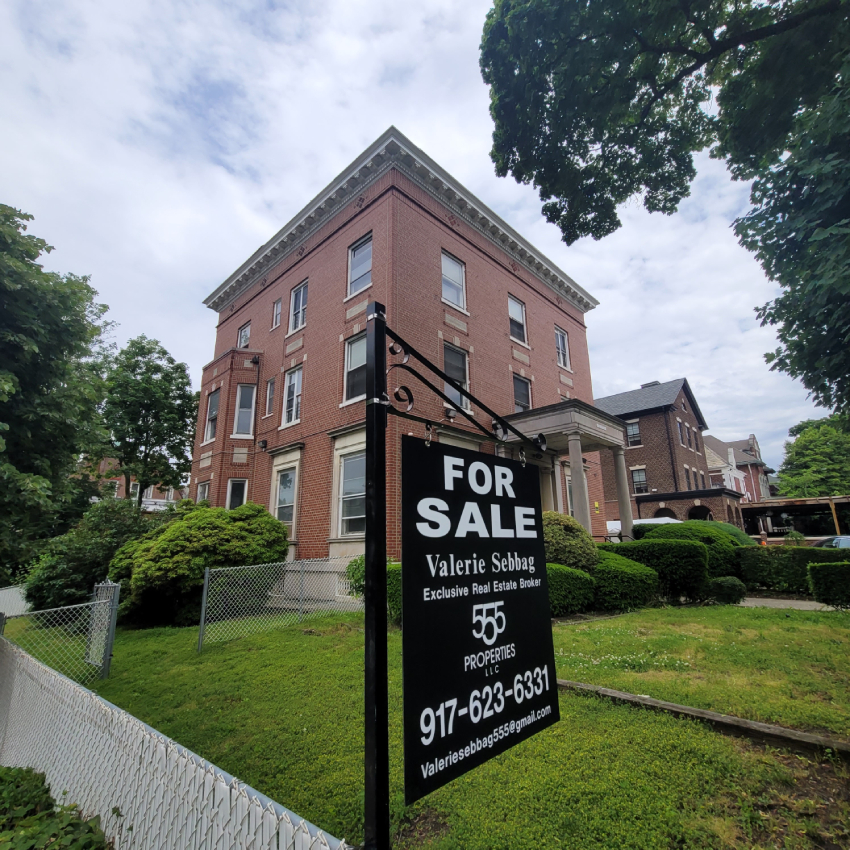



See every closing on our sold properties page.
Frequently Asked Questions
Can the appraisal be done months later?
Yes. Appraisers can prepare a retrospective appraisal as of the date of death.
Is a broker opinion enough?
Advisors usually prefer a licensed appraisal for tax purposes. Ask your accountant.
Keep Reading
Main guides: Selling an Inherited Property and Probate and Estate Sales. Related: buying out siblings, sell as-is or renovate, who does what in an estate sale. Facing more than one issue at once? See selling in a difficult situation.