
Often one heir wants to keep the family home while others prefer cash. A buyout can keep the house in the family and avoid a court fight, if everyone trusts the value and the terms are clear.
Start With a Fair Value
The most common source of conflict is price. An independent valuation, from an appraiser or a broker opinion based on recent comparable sales, gives every heir the same starting point.

How the Math Usually Works
Each heir’s share is set by the will, or by state law if there is no will. As a simple example, if three siblings inherit equally and the house is valued at $1.5 million with no debt, each share is $500,000, and the buying sibling would pay the other two $1 million in total, less any agreed adjustments for costs. Your attorney and accountant confirm the real numbers.
Financing the Buyout
The buying heir may need a mortgage. Lenders take time and will order their own appraisal, so build that into the timeline.

Put It in Writing
The agreement should cover the price, who pays closing costs, timing, and what happens if financing falls through. The estate attorney prepares the documents and the deed.
If a Buyout Does Not Work
Selling on the open market and splitting the proceeds is the usual alternative. See heirs who disagree.
Recent 555 Properties Sales: Homes and Buildings


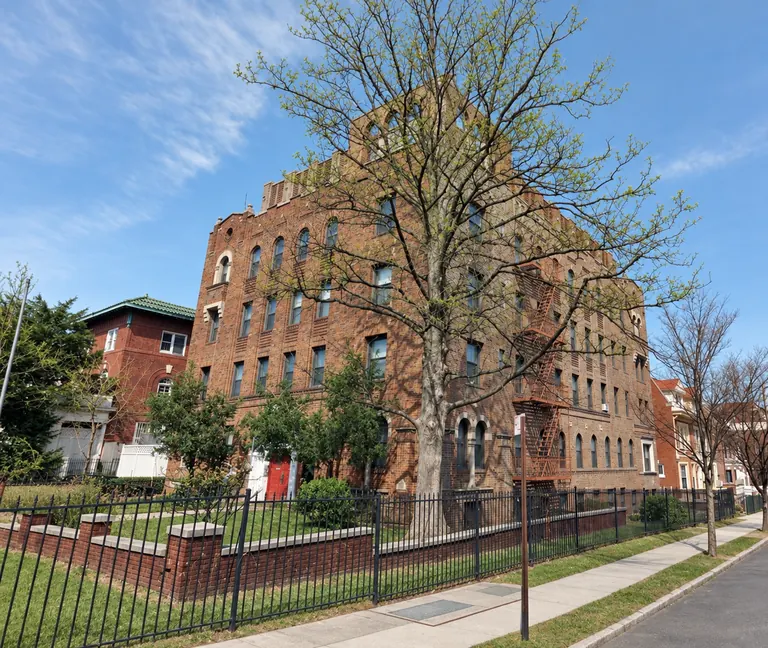

See every closing on our sold properties page.
Frequently Asked Questions
Do the other heirs have to accept a buyout?
No. It is a negotiation. A fair, independent valuation helps reach agreement.
Can a buyout happen during probate?
Often it is arranged with the executor and finalized when the estate has authority. Ask your attorney.
Keep Reading
Main guides: Selling an Inherited Property and Probate and Estate Sales. Related: sell as-is or renovate, the date-of-death valuation, who does what in an estate sale. Facing more than one issue at once? See selling in a difficult situation.