
Families selling an estate house often hear from many professionals at once. Knowing what each one does makes it easier to ask the right person the right question.
The Executor or Administrator
Appointed by the Surrogate’s Court, this person has authority to act for the estate, including signing a contract to sell the house.

The Estate Attorney
Handles the court filings, letters, contract review, deed and closing documents, and advises the executor on legal duties.
The Accountant
Advises on estate and income taxes, the date-of-death value and how sale proceeds affect taxes.

The Appraiser
Prepares a formal valuation, often as of the date of death, for tax and estate purposes.
The Broker
Gives a pricing opinion from recent comparable sales, prepares and markets the house, handles showings and negotiates offers for the executor’s decision. At 555 Properties LLC, Valerie Sebbag works with your attorney so the sale fits the estate’s timeline.
The Title Company
Checks the title, clears liens and insures the buyer’s ownership at closing.
Recent 555 Properties Sales: Homes and Buildings


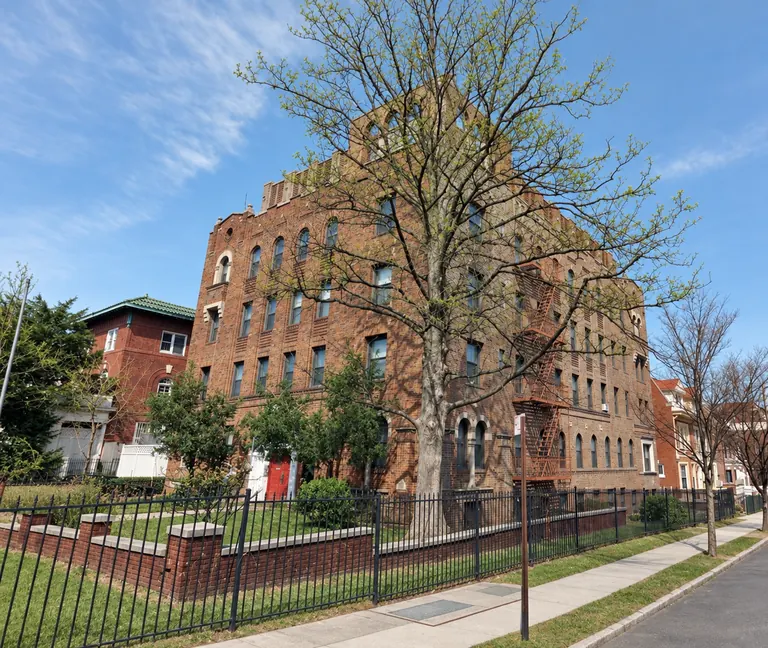

See every closing on our sold properties page.
Frequently Asked Questions
Who do I call first?
Usually the estate attorney, to start the court process. A broker can help early with a value and a plan.
Can one person do several roles?
The executor may also be an heir. Professional roles like attorney and broker stay separate.
Keep Reading
Main guides: Selling an Inherited Property and Probate and Estate Sales. Related: the executor’s first 30 days, the date-of-death valuation, selling a house held in a trust. Facing more than one issue at once? See selling in a difficult situation.