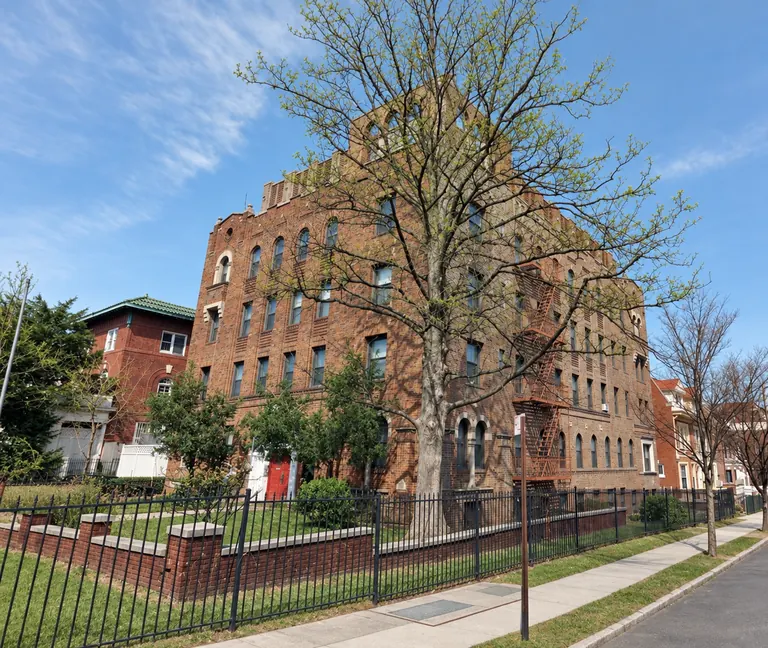
While headlines about New York commercial real estate often focus on Manhattan office towers, Brooklyn’s commercial story plays out at street level. Corner stores with apartments above, small retail strips and mixed-use buildings line Franklin, Nostrand, Fulton and Flatbush Avenues. For owners of these properties, recent zoning changes and neighborhood investment have shifted the picture, and they are worth understanding before a sale.
Zoning Rules Built for Today’s Businesses
In June 2024 the City Council approved City of Yes for Economic Opportunity, a citywide update to commercial zoning rules that in many cases dated back decades. The changes make it easier for a wider range of businesses to locate in commercial districts, add flexibility for uses on upper floors and ease limits on certain home-based businesses. For property owners, a broader list of permitted uses can mean a broader pool of potential tenants.
Atlantic Avenue: New Commercial Space in Central Brooklyn
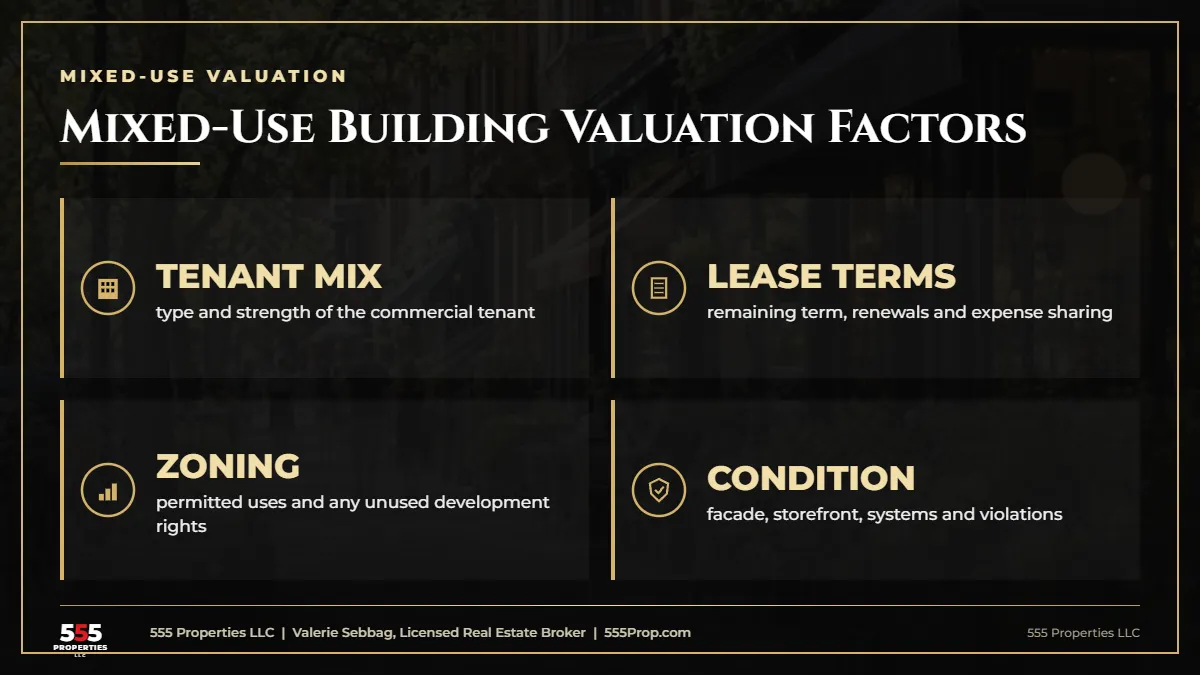
The Atlantic Avenue Mixed-Use Plan, approved in May 2025, rezones about 21 blocks between Vanderbilt and Nostrand Avenues. Beyond new housing, it is designed to support ground-floor retail and job-generating uses on a corridor long limited to light industrial activity. Over time, more residents and new storefronts can change foot traffic on nearby avenues. Our Crown Heights Development Watch follows the projects as they advance.
How Buyers Value Mixed-Use Buildings
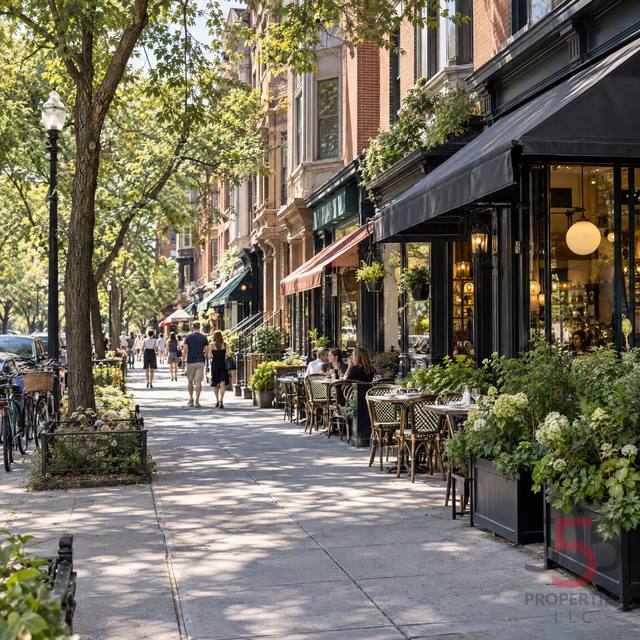
A mixed-use building is really two investments under one roof, and buyers underwrite each part separately.
- The commercial space: tenant type and strength, remaining lease term, renewal options, rent compared with the avenue, and who pays taxes and maintenance.
- The apartments: how many units, whether they are free-market or rent-stabilized, and their condition. See our multifamily owners guide for how those categories differ.
- The building: facade, roof, storefront, mechanical systems and any open violations.
- The location: foot traffic, nearby transit and what is happening on the avenue.
Preparing a Commercial or Mixed-Use Sale
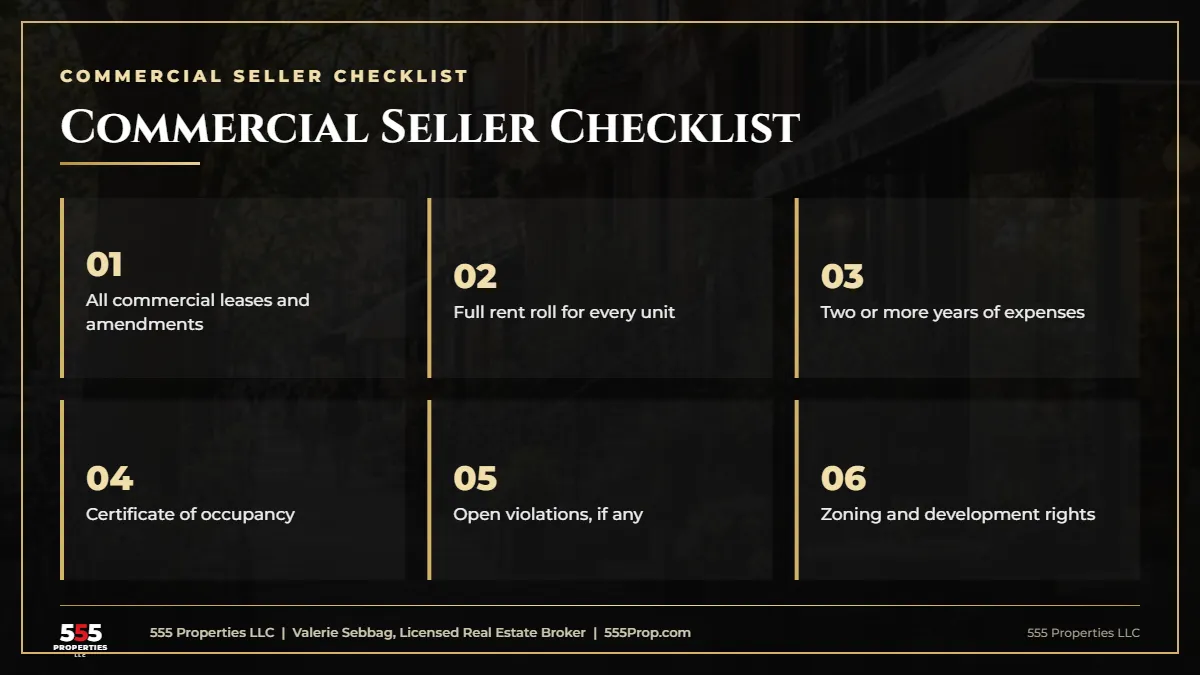
Gather all commercial leases and amendments, a full rent roll, two or more years of operating expenses, and the certificate of occupancy. Check the zoning of your lot on the city’s ZoLa map, since some buildings carry unused development rights. If you plan to reinvest the proceeds, speak with your tax advisor early about a 1031 exchange.
Valerie Sebbag represents owners selling mixed-use and small commercial buildings across Brooklyn. Learn more about commercial and investment sales with 555 Properties LLC, read Why Investors Are Overlooking Crown Heights, or request a private valuation.