
Many older homeowners in Brooklyn used a reverse mortgage. When the borrower passes away, the loan usually becomes due, and heirs need to act within the servicer’s timelines. Knowing the basics helps you protect any equity in the house.
When the Loan Comes Due
A reverse mortgage is usually repaid when the last borrower dies or moves out permanently. The servicer will send a notice to the estate or heirs. Read it carefully and contact the servicer early.

Typical Timelines
For federally insured reverse mortgages (HECMs), heirs are generally given time to decide whether to repay, sell or let the lender take the home, and extensions may be available while a sale is actively in progress. Exact timelines depend on the loan, so confirm them in writing with the servicer and your attorney.
How Much Is Owed
Ask for a written payoff statement. With HECM loans, heirs who want to keep the home can often satisfy the loan for the lesser of the balance or a percentage of the appraised value, and the loan is non-recourse, meaning heirs are generally not personally liable beyond the home’s value. Your attorney or a HUD-approved counselor can confirm how this applies to you.

Your Choices
Heirs usually keep the house by paying off the loan, sell it and keep any remaining equity, or let the lender take it when the balance exceeds the value. A quick, realistic valuation helps you decide.
Selling Before the Deadline
If there is equity, a well-prepared sale within the timeline can protect it. See sell as-is or renovate and our estate sales guide.
Recent 555 Properties Sales: Homes and Buildings


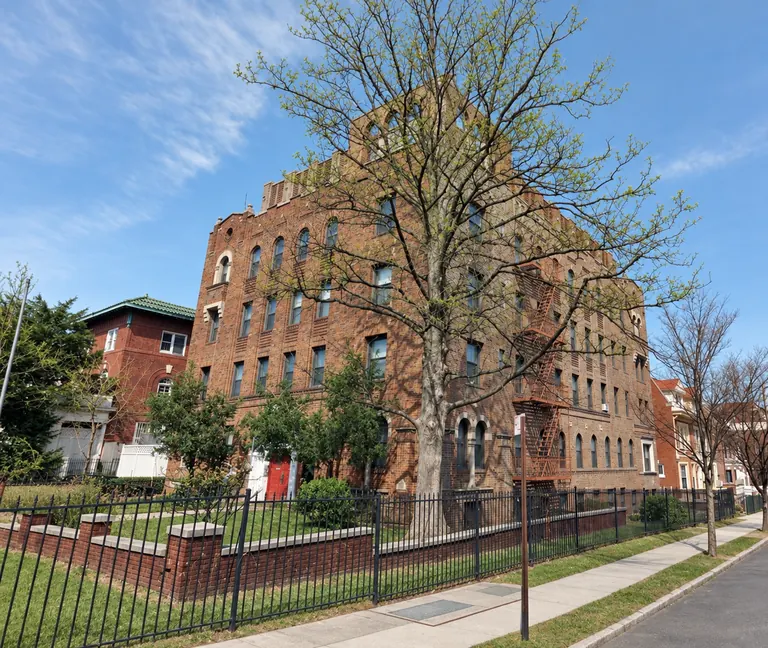

See every closing on our sold properties page.
Frequently Asked Questions
Will I owe money if the loan is more than the house is worth?
For federally insured HECM loans, heirs are generally not personally liable beyond the home’s value. Confirm with your attorney.
Who do I call first?
The loan servicer named on the statements, and your estate attorney.
Keep Reading
Main guides: Selling an Inherited Property and Probate and Estate Sales. Related: the executor’s first 30 days, the date-of-death valuation, sell as-is or renovate. Facing more than one issue at once? See selling in a difficult situation.