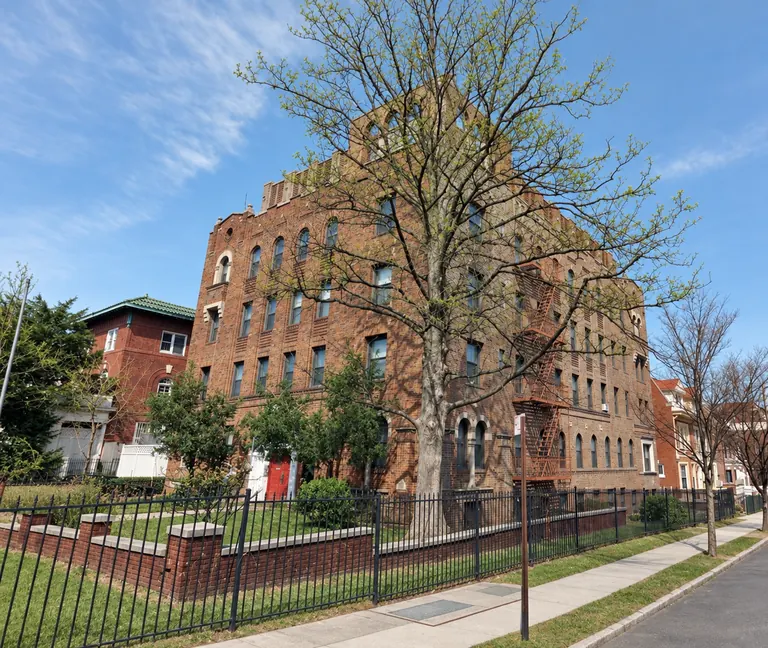
Selling an investment property in Brooklyn is a different exercise from selling a family home. The buyer is usually underwriting a stream of income, the documents carry more weight than the decor, and timing can be tied to tax planning. Whether you own a two-family rental, a walk-up, a mixed-use building or a development site, knowing how investment buyers think helps you price with confidence and avoid surprises late in the deal.
How Investment Buyers Value a Property
Most investment buyers start with net operating income: rents collected minus operating expenses such as taxes, insurance, utilities, repairs and management. They compare that income with the price to arrive at a capitalization rate, or cap rate. A lower cap rate means buyers are paying more for each dollar of income, often because they expect rents or value to grow, or because the property carries less risk.
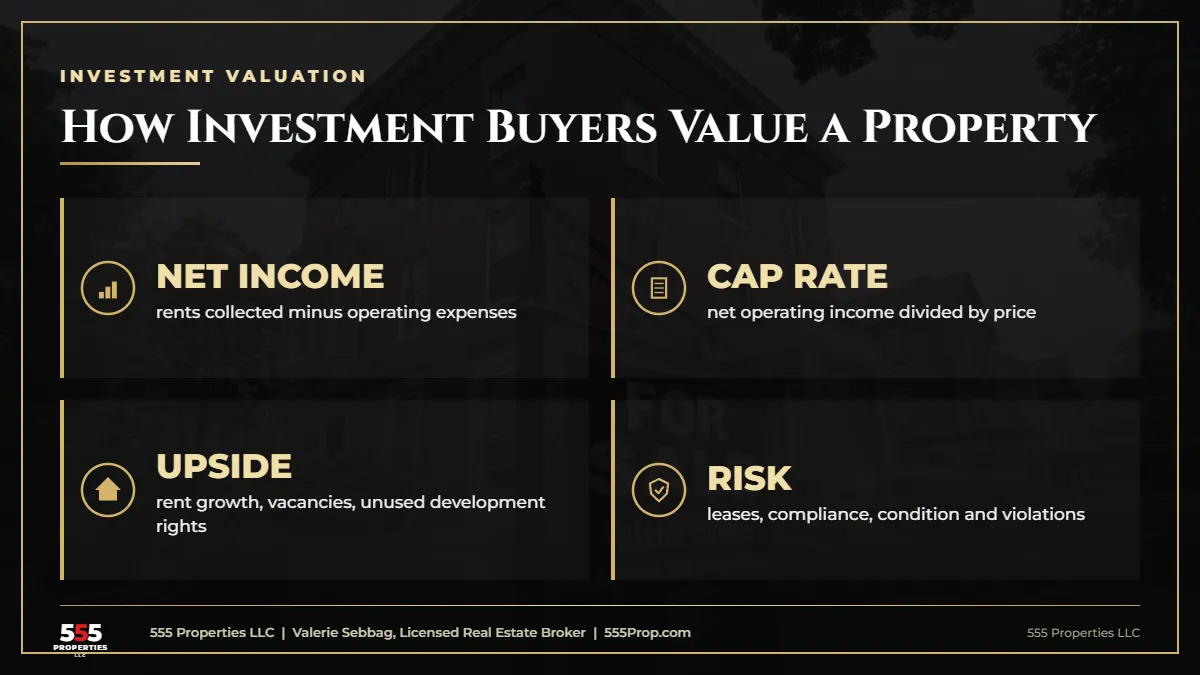
Two buildings with the same rent roll can command different prices because of what sits behind the numbers: lease terms, the mix of free-market and rent-stabilized units, building condition, open violations and any unused development rights. Our free-market vs. rent-stabilized guide explains why that mix matters so much in New York.
The Investment Sale, Step by Step
- Gather the numbers. A current rent roll, leases, two or more years of operating expenses, tax bills and the certificate of occupancy.
- Set the pricing range. Compare recent sales of similar buildings and test the price against realistic income and expenses.
- Prepare the offering. A clear package with photos, floor plans, the rent roll, expenses and any upside, presented consistently to every buyer.
- Market and collect offers. Reach both investors and owner-occupants where the property suits them.
- Due diligence. Buyers review leases, inspect the building, check violations and confirm legal use.
- Contract and closing. Attorneys negotiate the contract; the buyer’s financing and any estoppel or tenant documents are completed before closing.

Planning Around Taxes: The 1031 Exchange
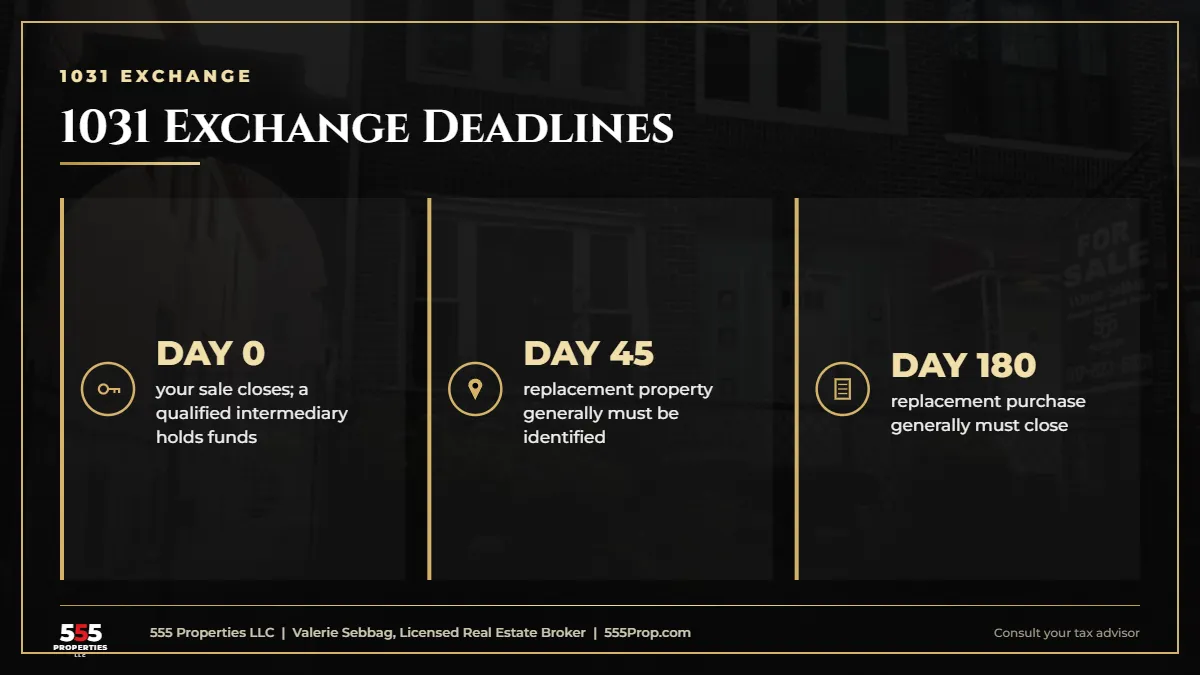
Many investors sell one property to buy another. A Section 1031 exchange can defer capital gains tax when the proceeds are reinvested in like-kind real estate. The rules are strict: a qualified intermediary typically holds the funds, replacement property must generally be identified within 45 days of the sale, and the purchase must generally close within 180 days. Plan with your tax advisor before you sign a contract. Our 1031 exchange page covers the basics.
Property Types We See Most Often
- Two to four family homes. Appeal to owner-occupants and investors alike. See why 2 to 4 family homes attract buyers.
- Walk-ups and larger multifamily. Valued closely on income and compliance. See the Brooklyn multifamily outlook.
- Mixed-use and retail. Commercial leases and residential units are underwritten separately. See Brooklyn retail and mixed-use buildings.
- Development sites. Valued on zoning and buildable area. See the Crown Heights commercial update.
555 Properties LLC has represented sellers of investment and development property in Crown Heights, including the 537 East New York Avenue development site, and is marketing the four-family at 713 East New York Avenue.
Talk Through Your Options
Whether you plan to sell now, refinance or exchange into a new property, a clear valuation is the first step. Read Why Investors Are Overlooking Crown Heights and the Crown Heights Market Report 2026, see commercial and investment sales, or request a private valuation from Valerie Sebbag.